Website design for startups, scale-ups and enterprise teams whose site stopped doing its job
A redesign that only changes how the site looks changes nothing. The work starts with the sitemap: who's arriving, what they need to believe, and what each page is actually for. That question has a different answer at eight people than at eight hundred, which is most of what the first week is for. Then it gets designed to convert, and built to be found by search engines and by the AI tools your buyers now ask first.
Based in Rotterdam, The Netherlands.
Working Worldwide.












Website design for startups, scale-ups and enterprise teams whose site stopped doing its job
A redesign that only changes how the site looks changes nothing. The work starts with the sitemap: who's arriving, what they need to believe, and what each page is actually for. That question has a different answer at eight people than at eight hundred, which is most of what the first week is for. Then it gets designed to convert, and built to be found by search engines and by the AI tools your buyers now ask first.
Based in Rotterdam, The Netherlands.
Working Worldwide.
Website design for startups, scale-ups and enterprise teams whose site stopped doing its job
A redesign that only changes how the site looks changes nothing. The work starts with the sitemap: who's arriving, what they need to believe, and what each page is actually for. That question has a different answer at eight people than at eight hundred, which is most of what the first week is for. Then it gets designed to convert, and built to be found by search engines and by the AI tools your buyers now ask first.
Based in Rotterdam, The Netherlands.
Working Worldwide.
Website design for startups, scale-ups and enterprise teams whose site stopped doing its job
A redesign that only changes how the site looks changes nothing. The work starts with the sitemap: who's arriving, what they need to believe, and what each page is actually for. That question has a different answer at eight people than at eight hundred, which is most of what the first week is for. Then it gets designed to convert, and built to be found by search engines and by the AI tools your buyers now ask first.
Based in Rotterdam, The Netherlands.
Working Worldwide.
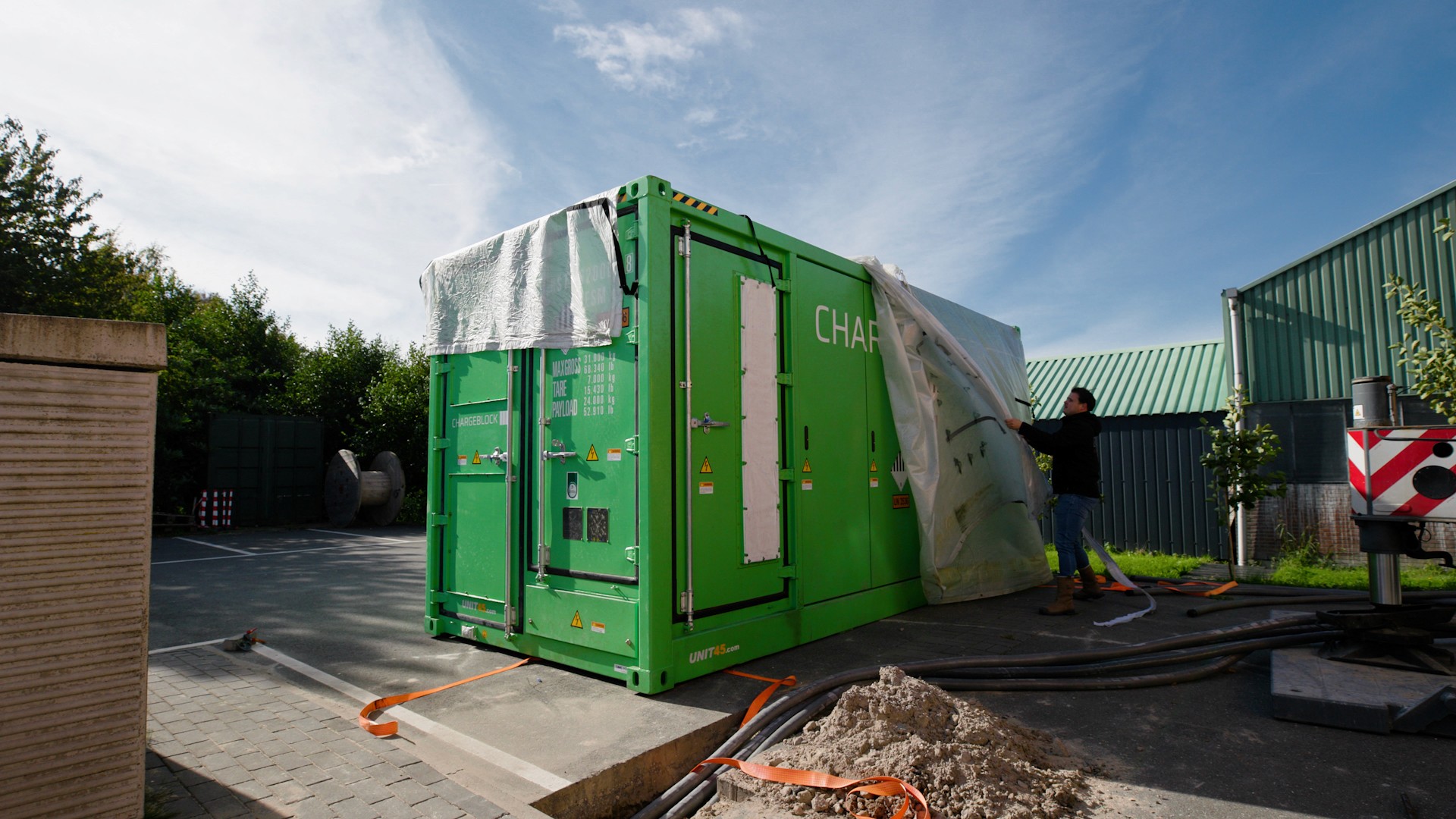
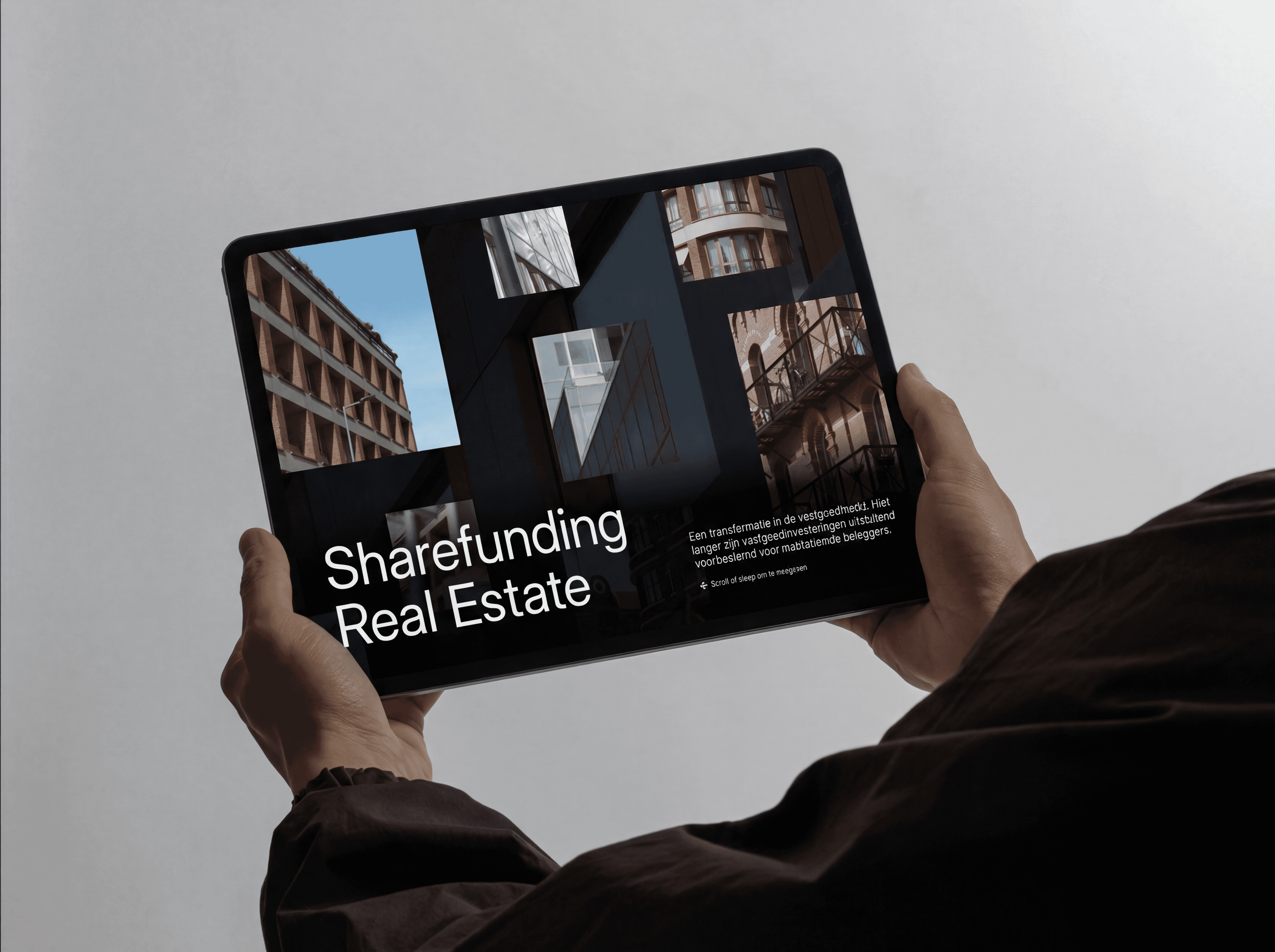
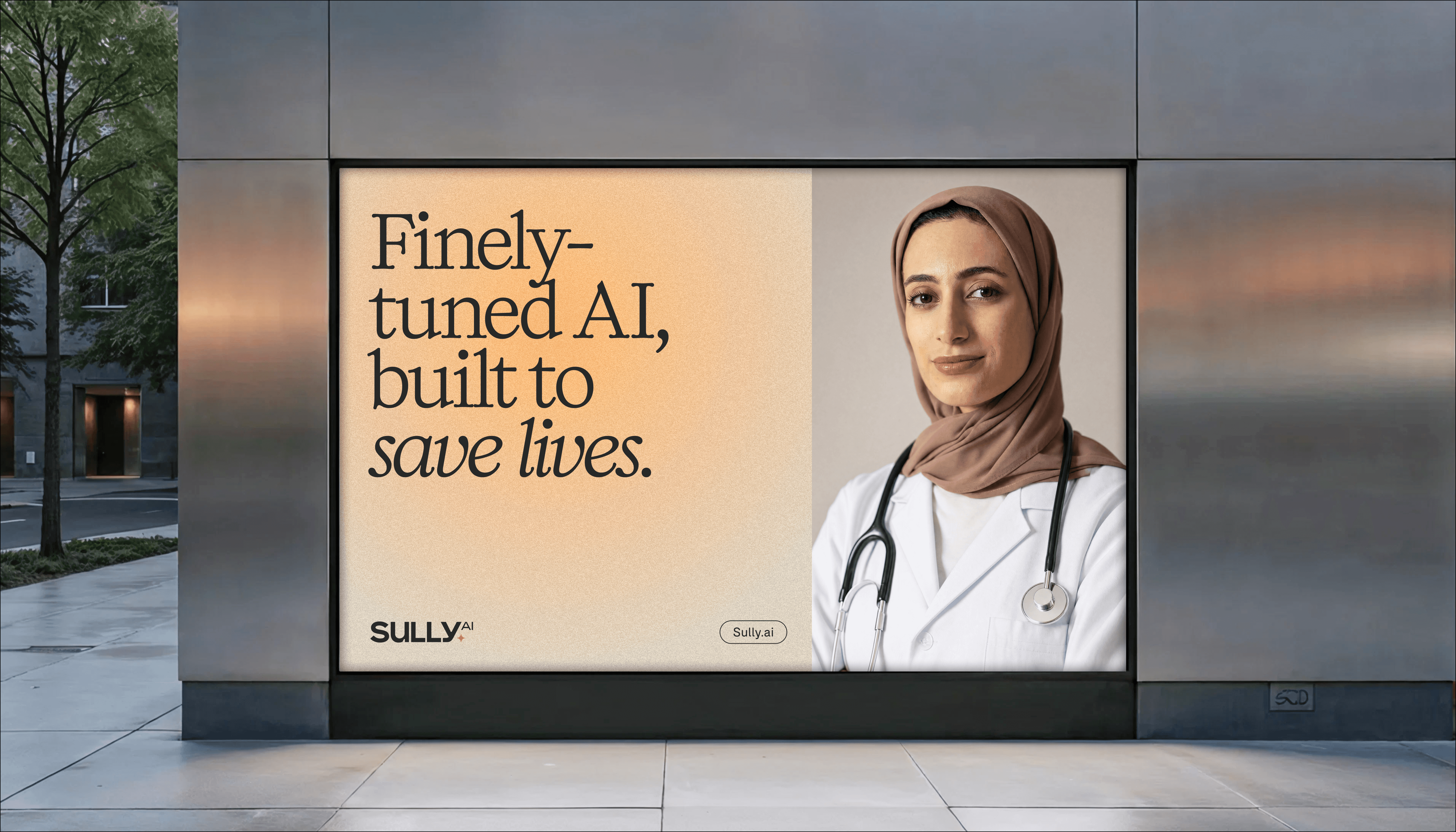
Framer websites built for real complexity, from four-sector B2B architecture to launch pages that go live in a week
Energy, healthcare, fintech and real estate, across startups and enterprise teams.



Framer websites built for real complexity, from four-sector B2B architecture to launch pages that go live in a week
Energy, healthcare, fintech and real estate, across startups and enterprise teams.
Framer websites built for real complexity, from four-sector B2B architecture to launch pages that go live in a week
Energy, healthcare, fintech and real estate, across startups and enterprise teams.
From sitemap to launch, moving through structure, design, build and search across four clear steps
Strategy first, visuals second. The journey gets mapped before anything opens in Figma, then every page is designed to lead somewhere on purpose. Three to four weeks depending on complexity, grouped into four steps. If the site gets built here too, Framer development adds two to four weeks and the pair comes to four to six rather than the seven you get by adding them. Design and build overlap, because the same person runs both and doesn't have to finish one before starting the other.
Raising out of Y Combinator? Framer websites for YC startups, live before Demo Day.
01. Structure and direction
The sitemap gets argued about before a single screen gets designed.
Who's arriving, what they need to believe, and what you want them to do. That becomes a sitemap, a page-by-page plan and copy direction you approve before anything visual exists. Most websites fail here rather than in the design, because nobody decided what each page was for. It's also the expensive kind of failure, since fixing it later means redesigning pages instead of editing them.
02. Design
You see the real thing, at the real width, on the devices people will actually use.
Brand direction, then high-fidelity pages, then the responsive behaviour most studios treat as an afterthought. Type, colour, spacing and motion get set as a system rather than page by page, which is what keeps page nine looking like page one. You review it as a working design instead of a static frame that changes character once it's built.
03. Conversion and content
Every page gets one job and one obvious next step.
Where the proof sits, what the calls to action say, which form fields survive, and what a visitor sees at each stage of a long B2B decision. Content structure gets set here too: the blog, the case studies, the technical material a buyer reads three weeks before they ever contact you. A page that looks good and asks for nothing is a brochure.
04. Findability, launch and handover
A redesign that nobody can find is a very expensive brochure.
This is the part most design studios treat as someone else's problem. Real heading structure on every page, unique titles and descriptions down to each content item, schema where it earns its place, and copy shaped so it can be quoted by ChatGPT, Claude, Perplexity and Google's AI Overviews rather than only ranked in a list of links. If you're replacing an existing site, this is also where the rankings get protected. Every old address gets mapped to a new one, titles carry across, and the sitemap gets resubmitted. A careless redesign drops rankings you spent two years earning, and it happens quietly enough that most people blame the market.
From sitemap to launch, moving through structure, design, build and search across four clear steps
Strategy first, visuals second. The journey gets mapped before anything opens in Figma, then every page is designed to lead somewhere on purpose. Three to four weeks depending on complexity, grouped into four steps. If the site gets built here too, Framer development adds two to four weeks and the pair comes to four to six rather than the seven you get by adding them. Design and build overlap, because the same person runs both and doesn't have to finish one before starting the other.
Raising out of Y Combinator? Framer websites for YC startups, live before Demo Day.
01. Structure and direction
The sitemap gets argued about before a single screen gets designed.
Who's arriving, what they need to believe, and what you want them to do. That becomes a sitemap, a page-by-page plan and copy direction you approve before anything visual exists. Most websites fail here rather than in the design, because nobody decided what each page was for. It's also the expensive kind of failure, since fixing it later means redesigning pages instead of editing them.
02. Design
You see the real thing, at the real width, on the devices people will actually use.
Brand direction, then high-fidelity pages, then the responsive behaviour most studios treat as an afterthought. Type, colour, spacing and motion get set as a system rather than page by page, which is what keeps page nine looking like page one. You review it as a working design instead of a static frame that changes character once it's built.
03. Conversion and content
Every page gets one job and one obvious next step.
Where the proof sits, what the calls to action say, which form fields survive, and what a visitor sees at each stage of a long B2B decision. Content structure gets set here too: the blog, the case studies, the technical material a buyer reads three weeks before they ever contact you. A page that looks good and asks for nothing is a brochure.
04. Findability, launch and handover
A redesign that nobody can find is a very expensive brochure.
This is the part most design studios treat as someone else's problem. Real heading structure on every page, unique titles and descriptions down to each content item, schema where it earns its place, and copy shaped so it can be quoted by ChatGPT, Claude, Perplexity and Google's AI Overviews rather than only ranked in a list of links. If you're replacing an existing site, this is also where the rankings get protected. Every old address gets mapped to a new one, titles carry across, and the sitemap gets resubmitted. A careless redesign drops rankings you spent two years earning, and it happens quietly enough that most people blame the market.
From sitemap to launch, moving through structure, design, build and search across four clear steps
Strategy first, visuals second. The journey gets mapped before anything opens in Figma, then every page is designed to lead somewhere on purpose. Three to four weeks depending on complexity, grouped into four steps. If the site gets built here too, Framer development adds two to four weeks and the pair comes to four to six rather than the seven you get by adding them. Design and build overlap, because the same person runs both and doesn't have to finish one before starting the other.
Raising out of Y Combinator? Framer websites for YC startups, live before Demo Day.
01. Structure and direction
The sitemap gets argued about before a single screen gets designed.
Who's arriving, what they need to believe, and what you want them to do. That becomes a sitemap, a page-by-page plan and copy direction you approve before anything visual exists. Most websites fail here rather than in the design, because nobody decided what each page was for. It's also the expensive kind of failure, since fixing it later means redesigning pages instead of editing them.
02. Design
You see the real thing, at the real width, on the devices people will actually use.
Brand direction, then high-fidelity pages, then the responsive behaviour most studios treat as an afterthought. Type, colour, spacing and motion get set as a system rather than page by page, which is what keeps page nine looking like page one. You review it as a working design instead of a static frame that changes character once it's built.
03. Conversion and content
Every page gets one job and one obvious next step.
Where the proof sits, what the calls to action say, which form fields survive, and what a visitor sees at each stage of a long B2B decision. Content structure gets set here too: the blog, the case studies, the technical material a buyer reads three weeks before they ever contact you. A page that looks good and asks for nothing is a brochure.
04. Findability, launch and handover
A redesign that nobody can find is a very expensive brochure.
This is the part most design studios treat as someone else's problem. Real heading structure on every page, unique titles and descriptions down to each content item, schema where it earns its place, and copy shaped so it can be quoted by ChatGPT, Claude, Perplexity and Google's AI Overviews rather than only ranked in a list of links. If you're replacing an existing site, this is also where the rankings get protected. Every old address gets mapped to a new one, titles carry across, and the sitemap gets resubmitted. A careless redesign drops rankings you spent two years earning, and it happens quietly enough that most people blame the market.
Award-winning experiences that drive long-term impact for startups and enterprises
From early ideas to mature products, the focus stays on clarity, scalability, and long-term impact. Not just how things look, but how they perform over time.
€20m
Client revenue and funding supported through results-driven design and development.
56+
Teams partnered with to design and build digital products that deliver impact.
Check more awards and recognitions
Award-winning experiences that drive long-term impact for startups and enterprises
From early ideas to mature products, the focus stays on clarity, scalability, and long-term impact. Not just how things look, but how they perform over time.
€20m
Client revenue and funding supported through results-driven design and development.
56+
Teams partnered with to design and build digital products that deliver impact.
Check more awards and recognitions
Award-winning experiences that drive long-term impact for startups and enterprises
From early ideas to mature products, the focus stays on clarity, scalability, and long-term impact. Not just how things look, but how they perform over time.
€20m
Client revenue and funding supported through results-driven design and development.
56+
Teams partnered with to design and build digital products that deliver impact.
70% of clients stay for years
Once the product is live it doesn't sit still. It keeps getting sharper.
Oskar is a highly competent designer who excels at combining business goals with user-friendly design. His curiosity and design expertise make him a reliable professional capable of elevating a design to the next level.

Desses has helped us for years with Branding & Online Marketing. Happy with his dedication and work he has delivered for Game Hero.


A really great collaboration, grateful for all your hard work!


Oskar is a highly competent designer who excels at combining business goals with user-friendly design. His curiosity and design expertise make him a reliable professional capable of elevating a design to the next level.
Desses has helped us for years with Branding & Online Marketing. Happy with his dedication and work he has delivered for Game Hero.
A really great collaboration, grateful for all your hard work!
70% of clients stay for years
Once the product is live it doesn't sit still. It keeps getting sharper.
Oskar is a highly competent designer who excels at combining business goals with user-friendly design. His curiosity and design expertise make him a reliable professional capable of elevating a design to the next level.
Desses has helped us for years with Branding & Online Marketing. Happy with his dedication and work he has delivered for Game Hero.
A really great collaboration, grateful for all your hard work!
Oskar is a highly competent designer who excels at combining business goals with user-friendly design. His curiosity and design expertise make him a reliable professional capable of elevating a design to the next level.
Desses has helped us for years with Branding & Online Marketing. Happy with his dedication and work he has delivered for Game Hero.
A really great collaboration, grateful for all your hard work!
70% of clients stay for years
Once the product is live it doesn't sit still. It keeps getting sharper.
Oskar is a highly competent designer who excels at combining business goals with user-friendly design. His curiosity and design expertise make him a reliable professional capable of elevating a design to the next level.
Desses has helped us for years with Branding & Online Marketing. Happy with his dedication and work he has delivered for Game Hero.
A really great collaboration, grateful for all your hard work!
Oskar is a highly competent designer who excels at combining business goals with user-friendly design. His curiosity and design expertise make him a reliable professional capable of elevating a design to the next level.
Desses has helped us for years with Branding & Online Marketing. Happy with his dedication and work he has delivered for Game Hero.
A really great collaboration, grateful for all your hard work!
Marketing websites for startups and enterprise team
B2B and SaaS sites built for long decisions and multiple stakeholders, where the buyer reads everything before they ever fill in a form.
Landing pages for product launches
A single page with one job, live fast, built to be tested rather than admired.
Website redesign and rebuilds
Replacing a site that stopped working, without losing the rankings and traffic the old one earned.
Mobile-first responsive design
Designed at the small size first, because that's where most of your first impressions now happen.
SEO-ready site structure
Real headings, clean hierarchy, per-page titles and descriptions, and content shaped so search engines and AI tools can read it.
Conversion-focused web design
Every page with one job, one obvious next step, and proof placed where the doubt actually occurs.
Page hierarchy, conversion structure, and the redirect map nobody thinks about
Six things go into every project, whether it's a one-page launch site or a four-sector B2B architecture.
Marketing websites for startups and enterprise team
B2B and SaaS sites built for long decisions and multiple stakeholders, where the buyer reads everything before they ever fill in a form.
Landing pages for product launches
A single page with one job, live fast, built to be tested rather than admired.
Website redesign and rebuilds
Replacing a site that stopped working, without losing the rankings and traffic the old one earned.
Mobile-first responsive design
Designed at the small size first, because that's where most of your first impressions now happen.
SEO-ready site structure
Real headings, clean hierarchy, per-page titles and descriptions, and content shaped so search engines and AI tools can read it.
Conversion-focused web design
Every page with one job, one obvious next step, and proof placed where the doubt actually occurs.
Page hierarchy, conversion structure, and the redirect map nobody thinks about
Six things go into every project, whether it's a one-page launch site or a four-sector B2B architecture.
Marketing websites for startups and enterprise team
B2B and SaaS sites built for long decisions and multiple stakeholders, where the buyer reads everything before they ever fill in a form.
Landing pages for product launches
A single page with one job, live fast, built to be tested rather than admired.
Website redesign and rebuilds
Replacing a site that stopped working, without losing the rankings and traffic the old one earned.
Mobile-first responsive design
Designed at the small size first, because that's where most of your first impressions now happen.
SEO-ready site structure
Real headings, clean hierarchy, per-page titles and descriptions, and content shaped so search engines and AI tools can read it.
Conversion-focused web design
Every page with one job, one obvious next step, and proof placed where the doubt actually occurs.
Page hierarchy, conversion structure, and the redirect map nobody thinks about
Six things go into every project, whether it's a one-page launch site or a four-sector B2B architecture.
Design that survives the build, because the same person is on both sides of the handover
Most website quality dies in the gap between the designer and the developer. At Desses there's no gap, because it's the same person on both sides. You work directly with me from the first call to the handover.

Structure before decoration
The sitemap and the page plan get agreed before anything visual exists. That's the difference between a redesign that changes results and one that changes the font.

Complexity is the normal case
Four B2B sectors, multiple languages, long sales cycles, technical buyers. A one-page launch site and a hundred-page architecture are the same skill at different sizes.

Findability handled during the design
Heading structure, speed and AI visibility are design decisions. Doing them at the end means doing them badly.
Design that survives the build, because the same person is on both sides of the handover
Most website quality dies in the gap between the designer and the developer. At Desses there's no gap, because it's the same person on both sides. You work directly with me from the first call to the handover.
Structure before decoration
The sitemap and the page plan get agreed before anything visual exists. That's the difference between a redesign that changes results and one that changes the font.
Complexity is the normal case
Four B2B sectors, multiple languages, long sales cycles, technical buyers. A one-page launch site and a hundred-page architecture are the same skill at different sizes.
Findability handled during the design
Heading structure, speed and AI visibility are design decisions. Doing them at the end means doing them badly.
Design that survives the build, because the same person is on both sides of the handover
Most website quality dies in the gap between the designer and the developer. At Desses there's no gap, because it's the same person on both sides. You work directly with me from the first call to the handover.
Structure before decoration
The sitemap and the page plan get agreed before anything visual exists. That's the difference between a redesign that changes results and one that changes the font.
Complexity is the normal case
Four B2B sectors, multiple languages, long sales cycles, technical buyers. A one-page launch site and a hundred-page architecture are the same skill at different sizes.
Findability handled during the design
Heading structure, speed and AI visibility are design decisions. Doing them at the end means doing them badly.
Full-stack expertise, seamlessly integrating design and development to create cohesive, high-quality digital experiences from concept to execution
For AI startups and enterprises building with AI
Full-stack expertise, seamlessly integrating design and development to create cohesive, high-quality digital experiences from concept to execution
For AI startups and enterprises building with AI
Full-stack expertise, seamlessly integrating design and development to create cohesive, high-quality digital experiences from concept to execution
For AI startups and enterprises building with AI
Design, development, and AI, run by Desses, in one flow
Startups and enterprises in AI, Fintech, and Cleantech come to Desses for the whole stack in one place. Product Design, Website Design & Framer Development when speed matters, and the AI & Custom Development for when a project needs more. Built to convert, and built to still load fast in month seven.
Design, development, and AI, run by Desses, in one flow
Startups and enterprises in AI, Fintech, and Cleantech come to Desses for the whole stack in one place. Product Design, Website Design & Framer Development when speed matters, and the AI & Custom Development for when a project needs more. Built to convert, and built to still load fast in month seven.
Design, development, and AI, run by Desses, in one flow
Startups and enterprises in AI, Fintech, and Cleantech come to Desses for the whole stack in one place. Product Design, Website Design & Framer Development when speed matters, and the AI & Custom Development for when a project needs more. Built to convert, and built to still load fast in month seven.
Tell us what you're building. Framer development, product design or AI platforms.
Tell us what you're building. Framer development, product design or AI platforms.
Tell us what you're building. Framer development, product design or AI platforms.
Cost, timelines, rankings, and what happens to your 200 blog posts
What does a website redesign cost?
Project work starts at $8,000 / €7,000. The number moves with page count, how much brand work is needed, whether the content already exists, and whether you need multiple languages. You get a fixed price after the first call.
How long does a website redesign take?
Four to six weeks for a full site with brand direction, conversion design and findability work. A single landing page can go live in a week. The usual bottleneck is how fast copy gets approved.
Will a redesign hurt our search rankings?
Only if it’s done carelessly, which is unfortunately common. Every existing address gets mapped to its replacement, titles and descriptions carry across, and the sitemap gets resubmitted. Rankings should hold and usually improve, because the new site is faster and better structured.
Redesign or refresh, how do we know?
Write down what’s wrong. If every item is visual, you need a refresh and it costs a fraction as much. If the list includes “nobody understands what we do” or “the wrong people are enquiring”, the structure is the problem.
Do you write the copy?
Copy direction always: what each page needs to say and in what order. Full copywriting can be included or you can write it, as long as it’s decided in step 1 rather than during design.
Can you design for four different audiences on one site?
Yes, and it’s most of what makes B2B sites hard. The answer is usually architecture: a path per audience, each sized to the questions that buyer actually brings. ChargeBlock runs four.
We have 200 blog posts. What happens to them?
They come across. Content migration is part of the work, with redirects mapped so nothing that was ranking stops existing.
Will we be able to edit the site ourselves?
Yes. Pages, posts, cases and copy are editable without touching the design. You get a walkthrough at handover and written notes afterwards.
Do we own the design files?
Yes. Files, components and documentation, transferred at the end. No licence and no dependency on me.
What happens after launch?
You own it and can run it. Most teams keep working with Desses anyway, because a growing company produces new pages every month. That runs monthly from $4,500 / €4,000, or you can come back per project.

Oskar Mieta
Founder, Designer & Developer
If you want to start a project, explore a collaboration, or simply talk things through, this is the easiest place to begin.
Based in Rotterdam, The Netherlands.
Working Worldwide.
Cost, timelines, rankings, and what happens to your 200 blog posts
What does a website redesign cost?
Project work starts at $8,000 / €7,000. The number moves with page count, how much brand work is needed, whether the content already exists, and whether you need multiple languages. You get a fixed price after the first call.
How long does a website redesign take?
Four to six weeks for a full site with brand direction, conversion design and findability work. A single landing page can go live in a week. The usual bottleneck is how fast copy gets approved.
Will a redesign hurt our search rankings?
Only if it’s done carelessly, which is unfortunately common. Every existing address gets mapped to its replacement, titles and descriptions carry across, and the sitemap gets resubmitted. Rankings should hold and usually improve, because the new site is faster and better structured.
Redesign or refresh, how do we know?
Write down what’s wrong. If every item is visual, you need a refresh and it costs a fraction as much. If the list includes “nobody understands what we do” or “the wrong people are enquiring”, the structure is the problem.
Do you write the copy?
Copy direction always: what each page needs to say and in what order. Full copywriting can be included or you can write it, as long as it’s decided in step 1 rather than during design.
Can you design for four different audiences on one site?
Yes, and it’s most of what makes B2B sites hard. The answer is usually architecture: a path per audience, each sized to the questions that buyer actually brings. ChargeBlock runs four.
We have 200 blog posts. What happens to them?
They come across. Content migration is part of the work, with redirects mapped so nothing that was ranking stops existing.
Will we be able to edit the site ourselves?
Yes. Pages, posts, cases and copy are editable without touching the design. You get a walkthrough at handover and written notes afterwards.
Do we own the design files?
Yes. Files, components and documentation, transferred at the end. No licence and no dependency on me.
What happens after launch?
You own it and can run it. Most teams keep working with Desses anyway, because a growing company produces new pages every month. That runs monthly from $4,500 / €4,000, or you can come back per project.
Oskar Mieta
Founder, Designer & Developer
If you want to start a project, explore a collaboration, or simply talk things through, this is the easiest place to begin.
Based in Rotterdam, The Netherlands.
Working Worldwide.
Cost, timelines, rankings, and what happens to your 200 blog posts
What does a website redesign cost?
How long does a website redesign take?
Will a redesign hurt our search rankings?
Redesign or refresh, how do we know?
Do you write the copy?
Can you design for four different audiences on one site?
We have 200 blog posts. What happens to them?
Will we be able to edit the site ourselves?
Do we own the design files?
What happens after launch?
Oskar Mieta
Founder, Designer & Developer
If you want to start a project, explore a collaboration, or simply talk things through, this is the easiest place to begin.
Based in Rotterdam, The Netherlands.
Working Worldwide.