Next.js development and custom AI builds for dashboards, client portals and product platforms
A dashboard, a CRM or a client portal is software, and software gets built properly in Next.js and React. A website builder stops at the point where people sign in and start seeing their own data. Design and development run in one flow here, so nothing gets approximated on the way from the drawing into the finished product.
Based in Rotterdam, The Netherlands.
Working Worldwide.












Next.js development and custom AI builds for dashboards, client portals and product platforms
A dashboard, a CRM or a client portal is software, and software gets built properly in Next.js and React. A website builder stops at the point where people sign in and start seeing their own data. Design and development run in one flow here, so nothing gets approximated on the way from the drawing into the finished product.
Based in Rotterdam, The Netherlands.
Working Worldwide.
Next.js development and custom AI builds for dashboards, client portals and product platforms
A dashboard, a CRM or a client portal is software, and software gets built properly in Next.js and React. A website builder stops at the point where people sign in and start seeing their own data. Design and development run in one flow here, so nothing gets approximated on the way from the drawing into the finished product.
Based in Rotterdam, The Netherlands.
Working Worldwide.
Next.js development and custom AI builds for dashboards, client portals and product platforms
A dashboard, a CRM or a client portal is software, and software gets built properly in Next.js and React. A website builder stops at the point where people sign in and start seeing their own data. Design and development run in one flow here, so nothing gets approximated on the way from the drawing into the finished product.
Based in Rotterdam, The Netherlands.
Working Worldwide.
Products that hold real users, real data and real complexity, designed and built in one flow at Desses
From AI audit tooling to a full operations platform in energy, built for teams whose product had outgrown what a website can do.

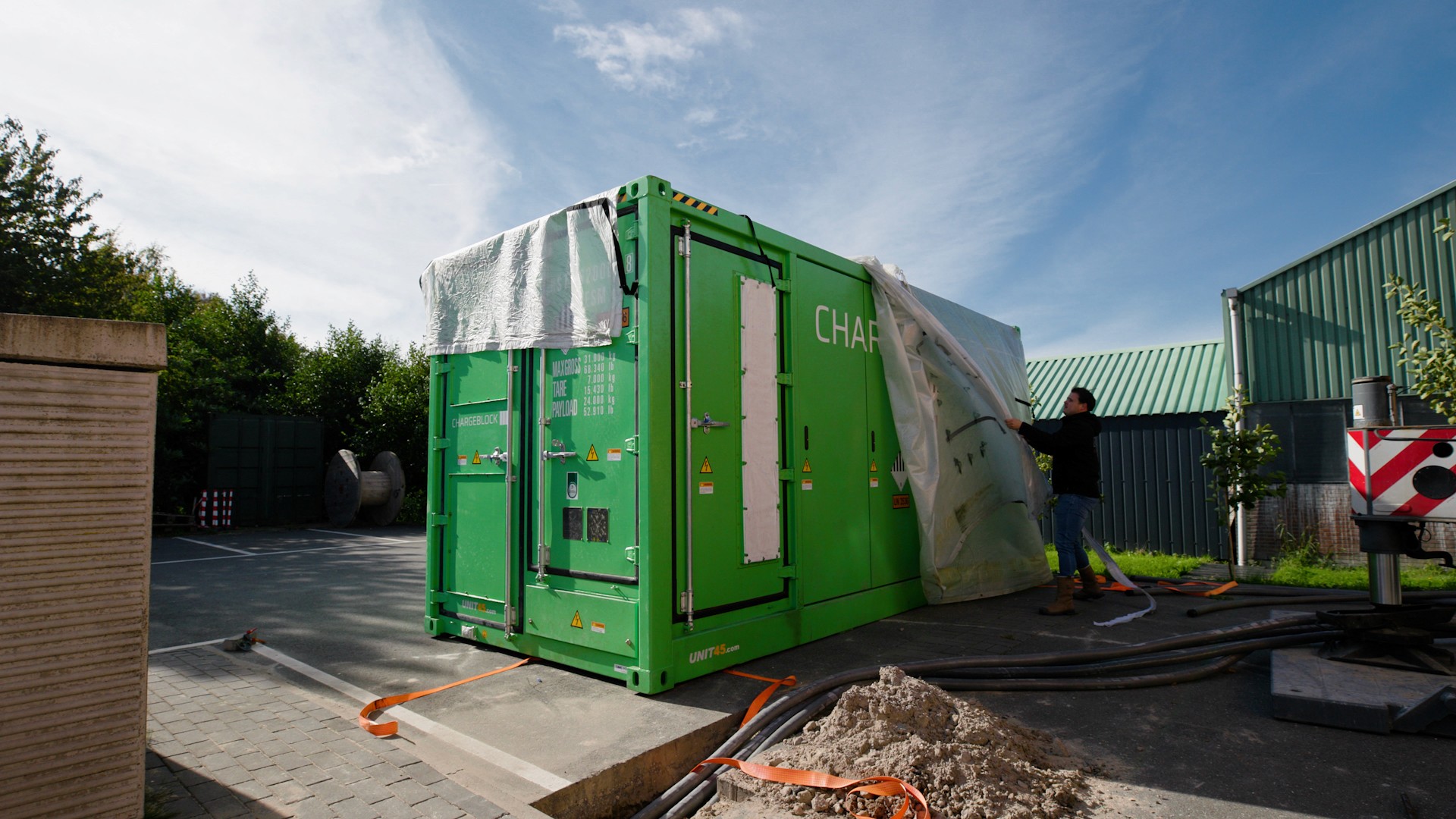
Products that hold real users, real data and real complexity, designed and built in one flow at Desses
From AI audit tooling to a full operations platform in energy, built for teams whose product had outgrown what a website can do.
Products that hold real users, real data and real complexity, designed and built in one flow at Desses
From AI audit tooling to a full operations platform in energy, built for teams whose product had outgrown what a website can do.
Six weeks from a scoped plan to a product your team can run
Your goals, designs and requirements turn into a working product your team can launch, run and keep building on. Six weeks is the usual shape, grouped into four steps. Every step ends with something you can open and click.
01. Technical Direction
You get a fixed price before a single line of code exists.
Desses goes through the product, the goals, the designs, the data and what the thing has to cope with six months from now. Most of this step is questions, and the sharp ones are usually about what you haven't decided yet. What comes out is a scope you can hold someone to, with a number attached.
02. Architecture and interface
The expensive decisions get made while they're still cheap, and by the end you're clicking through real screens.
How your data is organised, how people sign in, who's allowed to see what, and how the screens are put together. These are the choices that cost an afternoon now and a fortnight in month three, so they go first. You get a live link in week 2 and everything after that happens in the open. Then design and build run together, which means there's no moment where a flat mockup gets handed over and quietly changes shape on its way to becoming real.
03. Product logic
The states nobody demos are the ones that decide whether it feels finished.
Who can do what, and what the screen does when a list is empty, when something is still loading, when someone types the wrong thing, when a page half-works. A product that only holds up in the happy path is a prototype with good lighting, and this is where that gap closes.
04. Connections, launch and handover
Everything your product depends on gets a plan for the day it fails, and you finish owning all of it.
Payments, sign-ins, your AI model, your internal systems, your content. Hooking them up is the fast part. The work is in what your customer sees at 2am when a payment provider is having a bad morning: a clear message and a way forward instead of a blank screen. That's also where the full test pass lands, across every flow, every type of user and every device, because connections are where products break first. Then it goes live. Hosted on your account, under your domain, with alerts if anything falls over. The code sits in your company's name, with no licence tied to Desses and nothing you have to keep paying me for. You get a walkthrough call covering how it all fits together and where to change what, then written documentation
Six weeks from a scoped plan to a product your team can run
Your goals, designs and requirements turn into a working product your team can launch, run and keep building on. Six weeks is the usual shape, grouped into four steps. Every step ends with something you can open and click.
01. Technical Direction
You get a fixed price before a single line of code exists.
Desses goes through the product, the goals, the designs, the data and what the thing has to cope with six months from now. Most of this step is questions, and the sharp ones are usually about what you haven't decided yet. What comes out is a scope you can hold someone to, with a number attached.
02. Architecture and interface
The expensive decisions get made while they're still cheap, and by the end you're clicking through real screens.
How your data is organised, how people sign in, who's allowed to see what, and how the screens are put together. These are the choices that cost an afternoon now and a fortnight in month three, so they go first. You get a live link in week 2 and everything after that happens in the open. Then design and build run together, which means there's no moment where a flat mockup gets handed over and quietly changes shape on its way to becoming real.
03. Product logic
The states nobody demos are the ones that decide whether it feels finished.
Who can do what, and what the screen does when a list is empty, when something is still loading, when someone types the wrong thing, when a page half-works. A product that only holds up in the happy path is a prototype with good lighting, and this is where that gap closes.
04. Connections, launch and handover
Everything your product depends on gets a plan for the day it fails, and you finish owning all of it.
Payments, sign-ins, your AI model, your internal systems, your content. Hooking them up is the fast part. The work is in what your customer sees at 2am when a payment provider is having a bad morning: a clear message and a way forward instead of a blank screen. That's also where the full test pass lands, across every flow, every type of user and every device, because connections are where products break first. Then it goes live. Hosted on your account, under your domain, with alerts if anything falls over. The code sits in your company's name, with no licence tied to Desses and nothing you have to keep paying me for. You get a walkthrough call covering how it all fits together and where to change what, then written documentation
Six weeks from a scoped plan to a product your team can run
Your goals, designs and requirements turn into a working product your team can launch, run and keep building on. Six weeks is the usual shape, grouped into four steps. Every step ends with something you can open and click.
01. Technical Direction
You get a fixed price before a single line of code exists.
Desses goes through the product, the goals, the designs, the data and what the thing has to cope with six months from now. Most of this step is questions, and the sharp ones are usually about what you haven't decided yet. What comes out is a scope you can hold someone to, with a number attached.
02. Architecture and interface
The expensive decisions get made while they're still cheap, and by the end you're clicking through real screens.
How your data is organised, how people sign in, who's allowed to see what, and how the screens are put together. These are the choices that cost an afternoon now and a fortnight in month three, so they go first. You get a live link in week 2 and everything after that happens in the open. Then design and build run together, which means there's no moment where a flat mockup gets handed over and quietly changes shape on its way to becoming real.
03. Product logic
The states nobody demos are the ones that decide whether it feels finished.
Who can do what, and what the screen does when a list is empty, when something is still loading, when someone types the wrong thing, when a page half-works. A product that only holds up in the happy path is a prototype with good lighting, and this is where that gap closes.
04. Connections, launch and handover
Everything your product depends on gets a plan for the day it fails, and you finish owning all of it.
Payments, sign-ins, your AI model, your internal systems, your content. Hooking them up is the fast part. The work is in what your customer sees at 2am when a payment provider is having a bad morning: a clear message and a way forward instead of a blank screen. That's also where the full test pass lands, across every flow, every type of user and every device, because connections are where products break first. Then it goes live. Hosted on your account, under your domain, with alerts if anything falls over. The code sits in your company's name, with no licence tied to Desses and nothing you have to keep paying me for. You get a walkthrough call covering how it all fits together and where to change what, then written documentation
Award-winning experiences that drive long-term impact for startups and enterprises
From early ideas to mature products, the focus stays on clarity, scalability, and long-term impact. Not just how things look, but how they perform over time.
€20m
Client revenue and funding supported through results-driven design and development.
56+
Teams partnered with to design and build digital products that deliver impact.
Check more awards and recognitions
Award-winning experiences that drive long-term impact for startups and enterprises
From early ideas to mature products, the focus stays on clarity, scalability, and long-term impact. Not just how things look, but how they perform over time.
€20m
Client revenue and funding supported through results-driven design and development.
56+
Teams partnered with to design and build digital products that deliver impact.
Check more awards and recognitions
Award-winning experiences that drive long-term impact for startups and enterprises
From early ideas to mature products, the focus stays on clarity, scalability, and long-term impact. Not just how things look, but how they perform over time.
€20m
Client revenue and funding supported through results-driven design and development.
56+
Teams partnered with to design and build digital products that deliver impact.
70% of clients stay for years
Once the product is live it doesn't sit still. It keeps getting sharper.
Oskar is a highly competent designer who excels at combining business goals with user-friendly design. His curiosity and design expertise make him a reliable professional capable of elevating a design to the next level.

Desses has helped us for years with Branding & Online Marketing. Happy with his dedication and work he has delivered for Game Hero.


A really great collaboration, grateful for all your hard work!


Oskar is a highly competent designer who excels at combining business goals with user-friendly design. His curiosity and design expertise make him a reliable professional capable of elevating a design to the next level.
Desses has helped us for years with Branding & Online Marketing. Happy with his dedication and work he has delivered for Game Hero.
A really great collaboration, grateful for all your hard work!
70% of clients stay for years
Once the product is live it doesn't sit still. It keeps getting sharper.
Oskar is a highly competent designer who excels at combining business goals with user-friendly design. His curiosity and design expertise make him a reliable professional capable of elevating a design to the next level.
Desses has helped us for years with Branding & Online Marketing. Happy with his dedication and work he has delivered for Game Hero.
A really great collaboration, grateful for all your hard work!
Oskar is a highly competent designer who excels at combining business goals with user-friendly design. His curiosity and design expertise make him a reliable professional capable of elevating a design to the next level.
Desses has helped us for years with Branding & Online Marketing. Happy with his dedication and work he has delivered for Game Hero.
A really great collaboration, grateful for all your hard work!
70% of clients stay for years
Once the product is live it doesn't sit still. It keeps getting sharper.
Oskar is a highly competent designer who excels at combining business goals with user-friendly design. His curiosity and design expertise make him a reliable professional capable of elevating a design to the next level.
Desses has helped us for years with Branding & Online Marketing. Happy with his dedication and work he has delivered for Game Hero.
A really great collaboration, grateful for all your hard work!
Oskar is a highly competent designer who excels at combining business goals with user-friendly design. His curiosity and design expertise make him a reliable professional capable of elevating a design to the next level.
Desses has helped us for years with Branding & Online Marketing. Happy with his dedication and work he has delivered for Game Hero.
A really great collaboration, grateful for all your hard work!
Custom Next.js development
Production applications built in Next.js and React, structured so the second feature costs less to build than the first.
Dashboards and client portals
The screens your team and your customers live in. Real data, fast filters, and a layout that still works when the numbers get ugly.
Custom CRM development and automations
A CRM shaped around how you actually sell, connected to the systems your team already runs. Outlook, Exact Online and Pipedrive are the usual suspects.
API and AI integrations
Payments, sign-ins, your AI model, your content and your internal systems, each with a plan for the day it stops responding.
Custom web app development
Full applications with accounts, permissions and logic of their own, for teams whose product is the interface.
AI features in existing products
Adding a model to something already running. Streaming answers, tool calls, and the interface design around output that's sometimes wrong.
Custom builds need more than working code
A prototype proves the idea. A product needs clearer flows, safer logic, better states and fewer surprises when real people touch it. Six things go into every build.
Custom Next.js development
Production applications built in Next.js and React, structured so the second feature costs less to build than the first.
Dashboards and client portals
The screens your team and your customers live in. Real data, fast filters, and a layout that still works when the numbers get ugly.
Custom CRM development and automations
A CRM shaped around how you actually sell, connected to the systems your team already runs. Outlook, Exact Online and Pipedrive are the usual suspects.
API and AI integrations
Payments, sign-ins, your AI model, your content and your internal systems, each with a plan for the day it stops responding.
Custom web app development
Full applications with accounts, permissions and logic of their own, for teams whose product is the interface.
AI features in existing products
Adding a model to something already running. Streaming answers, tool calls, and the interface design around output that's sometimes wrong.
Custom builds need more than working code
A prototype proves the idea. A product needs clearer flows, safer logic, better states and fewer surprises when real people touch it. Six things go into every build.
Custom Next.js development
Production applications built in Next.js and React, structured so the second feature costs less to build than the first.
Dashboards and client portals
The screens your team and your customers live in. Real data, fast filters, and a layout that still works when the numbers get ugly.
Custom CRM development and automations
A CRM shaped around how you actually sell, connected to the systems your team already runs. Outlook, Exact Online and Pipedrive are the usual suspects.
API and AI integrations
Payments, sign-ins, your AI model, your content and your internal systems, each with a plan for the day it stops responding.
Custom web app development
Full applications with accounts, permissions and logic of their own, for teams whose product is the interface.
AI features in existing products
Adding a model to something already running. Streaming answers, tool calls, and the interface design around output that's sometimes wrong.
Custom builds need more than working code
A prototype proves the idea. A product needs clearer flows, safer logic, better states and fewer surprises when real people touch it. Six things go into every build.
Startups
A first version, or something already built in Cursor or Lovable that has to become real before customers touch it. Six weeks to a working product with sign-ins, structured data and screens that hold up outside the demo.
Scale-ups
The spreadsheet became the process, and the process is now the bottleneck. Quote flows, client portals, internal dashboards, a CRM shaped around how you actually sell. ChargeBlock's operations platform started exactly here.
Enterprise
Software that has to talk to what you already run. Outlook, Exact Online, Pipedrive, your own database. Usually one part of a larger stack, with an IT review before anything connects, and the integration work turns out to be most of the project.
How much of a build is integration depends on how big you already are
Roughly how the work splits. The size of the company is a decent predictor of how much of the project is integration.
Startups
A first version, or something already built in Cursor or Lovable that has to become real before customers touch it. Six weeks to a working product with sign-ins, structured data and screens that hold up outside the demo.
Scale-ups
The spreadsheet became the process, and the process is now the bottleneck. Quote flows, client portals, internal dashboards, a CRM shaped around how you actually sell. ChargeBlock's operations platform started exactly here.
Enterprise
Software that has to talk to what you already run. Outlook, Exact Online, Pipedrive, your own database. Usually one part of a larger stack, with an IT review before anything connects, and the integration work turns out to be most of the project.
How much of a build is integration depends on how big you already are
Roughly how the work splits. The size of the company is a decent predictor of how much of the project is integration.
Startups
A first version, or something already built in Cursor or Lovable that has to become real before customers touch it. Six weeks to a working product with sign-ins, structured data and screens that hold up outside the demo.
Scale-ups
The spreadsheet became the process, and the process is now the bottleneck. Quote flows, client portals, internal dashboards, a CRM shaped around how you actually sell. ChargeBlock's operations platform started exactly here.
Enterprise
Software that has to talk to what you already run. Outlook, Exact Online, Pipedrive, your own database. Usually one part of a larger stack, with an IT review before anything connects, and the integration work turns out to be most of the project.
How much of a build is integration depends on how big you already are
Roughly how the work splits. The size of the company is a decent predictor of how much of the project is integration.
You work with the person writing the code, from the first call to the handover
Most product quality dies in the gap between the designer and the developer. At Desses there's no gap, because it's the same person on both sides. You work directly with me from the first call to the handover.

One person across design and code
A messy MVP is rarely only a design problem or only a code problem. Flows, screens, logic, data and build get looked at together, because they arrive together.

Fast builds make sense
Cursor, Lovable, v0, Bolt, Claude Code. Teams ship that way for good reasons. The job is keeping the momentum and fixing what speed left behind.

The person on the call is the person building
Feedback lands the same day instead of moving through an account manager and a two-week cycle. 70% of clients stay for years.
You work with the person writing the code, from the first call to the handover
Most product quality dies in the gap between the designer and the developer. At Desses there's no gap, because it's the same person on both sides. You work directly with me from the first call to the handover.
One person across design and code
A messy MVP is rarely only a design problem or only a code problem. Flows, screens, logic, data and build get looked at together, because they arrive together.
Fast builds make sense
Cursor, Lovable, v0, Bolt, Claude Code. Teams ship that way for good reasons. The job is keeping the momentum and fixing what speed left behind.
The person on the call is the person building
Feedback lands the same day instead of moving through an account manager and a two-week cycle. 70% of clients stay for years.
You work with the person writing the code, from the first call to the handover
Most product quality dies in the gap between the designer and the developer. At Desses there's no gap, because it's the same person on both sides. You work directly with me from the first call to the handover.
One person across design and code
A messy MVP is rarely only a design problem or only a code problem. Flows, screens, logic, data and build get looked at together, because they arrive together.
Fast builds make sense
Cursor, Lovable, v0, Bolt, Claude Code. Teams ship that way for good reasons. The job is keeping the momentum and fixing what speed left behind.
The person on the call is the person building
Feedback lands the same day instead of moving through an account manager and a two-week cycle. 70% of clients stay for years.
Full-stack expertise, seamlessly integrating design and development to create cohesive, high-quality digital experiences from concept to execution
For AI startups and enterprises building with AI
Full-stack expertise, seamlessly integrating design and development to create cohesive, high-quality digital experiences from concept to execution
For AI startups and enterprises building with AI
Full-stack expertise, seamlessly integrating design and development to create cohesive, high-quality digital experiences from concept to execution
For AI startups and enterprises building with AI
Design, development, and AI, run by Desses, in one flow
Startups and enterprises in AI, Fintech, and Cleantech come to Desses for the whole stack in one place. Product Design, Website Design & Framer Development when speed matters, and the AI & Custom Development for when a project needs more. Built to convert, and built to still load fast in month seven.
Design, development, and AI, run by Desses, in one flow
Startups and enterprises in AI, Fintech, and Cleantech come to Desses for the whole stack in one place. Product Design, Website Design & Framer Development when speed matters, and the AI & Custom Development for when a project needs more. Built to convert, and built to still load fast in month seven.
Design, development, and AI, run by Desses, in one flow
Startups and enterprises in AI, Fintech, and Cleantech come to Desses for the whole stack in one place. Product Design, Website Design & Framer Development when speed matters, and the AI & Custom Development for when a project needs more. Built to convert, and built to still load fast in month seven.
Tell us what you're building. Framer development, product design or AI platforms.
Tell us what you're building. Framer development, product design or AI platforms.
Tell us what you're building. Framer development, product design or AI platforms.
What a CTO asks, and what a founder asks
Do we need custom software, or will an off-the-shelf tool do?
Off the shelf wins more often than a custom studio will admit. If your process looks roughly like the one the vendor imagined, buy the tool and spend the money elsewhere. Custom earns its cost when the process is the thing you’re actually good at, when three systems have to talk to each other, or when you’ve hit the ceiling of what configuration can do and someone on your team now maintains a workaround full time. You’ll get a straight read on that in the first call, including the version where the answer is buy.
What’s the difference between a website and custom development?
A website shows every visitor the same pages. Software gives each person their own data, their own permissions, and does things on their behalf. If what you’re describing is the first one, a site is faster and cheaper, and you’ll hear that on the call. If people sign in, you need the real thing.
How much does a custom build cost?
Project work starts at $8,000 / €7,000. Where it lands depends on how many types of user there are, how many other systems it has to talk to, and whether the data is already organised. You get a fixed number in step 1, before anything is built.
How long does it take?
Six weeks across four steps for a first version with sign-in, structured data and a working interface. Two weeks for a focused internal tool. Bigger platforms get split into phases so something real is live early.
Do you work with AI-built or vibe-coded products?
Yes, and it’s most of the inbox now. Products built in Cursor, Lovable, Bolt, v0, Replit or Claude Code, or a mix of hand-written and generated code. All fair game.
Will everything be rewritten from scratch?
Not by default. What exists gets reviewed first, then split into keep, tidy up and rebuild. The goal is saving useful momentum rather than restarting without a reason.
What if the product only works in the demo?
Common with early versions. The missing pieces get mapped: the wrong inputs, the error messages, the permissions, the empty screens, the loading moments, and the paths real customers hit in week one.
Can Desses work with our developers or technical founder?
Yes. Often the cleanest setup is Desses on the screens and the product experience while your team keeps the systems they already know. Written documentation either way.
What is it built with?
Next.js and React for the interface. Postgres or Convex for the data. Stripe for payments. Clerk for sign-ins. Vercel for hosting. If your team already runs something else, Desses works in that instead of arguing about it.
Do we own everything at the end?
Yes. The code is in your company’s name, hosted on your account, with no licence tied to Desses. If you hire a developer next year, nothing about the setup blocks them.
Can AI features be added to a product that already exists?
Yes. Connecting the model, streaming the answers, letting it take actions, and designing the experience around output that’s sometimes wrong. That last part is design work more than engineering work, and it’s where most teams underestimate the effort.

Oskar Mieta
Founder, Designer & Developer
If you want to start a project, explore a collaboration, or simply talk things through, this is the easiest place to begin.
Based in Rotterdam, The Netherlands.
Working Worldwide.
What a CTO asks, and what a founder asks
Do we need custom software, or will an off-the-shelf tool do?
Off the shelf wins more often than a custom studio will admit. If your process looks roughly like the one the vendor imagined, buy the tool and spend the money elsewhere. Custom earns its cost when the process is the thing you’re actually good at, when three systems have to talk to each other, or when you’ve hit the ceiling of what configuration can do and someone on your team now maintains a workaround full time. You’ll get a straight read on that in the first call, including the version where the answer is buy.
What’s the difference between a website and custom development?
A website shows every visitor the same pages. Software gives each person their own data, their own permissions, and does things on their behalf. If what you’re describing is the first one, a site is faster and cheaper, and you’ll hear that on the call. If people sign in, you need the real thing.
How much does a custom build cost?
Project work starts at $8,000 / €7,000. Where it lands depends on how many types of user there are, how many other systems it has to talk to, and whether the data is already organised. You get a fixed number in step 1, before anything is built.
How long does it take?
Six weeks across four steps for a first version with sign-in, structured data and a working interface. Two weeks for a focused internal tool. Bigger platforms get split into phases so something real is live early.
Do you work with AI-built or vibe-coded products?
Yes, and it’s most of the inbox now. Products built in Cursor, Lovable, Bolt, v0, Replit or Claude Code, or a mix of hand-written and generated code. All fair game.
Will everything be rewritten from scratch?
Not by default. What exists gets reviewed first, then split into keep, tidy up and rebuild. The goal is saving useful momentum rather than restarting without a reason.
What if the product only works in the demo?
Common with early versions. The missing pieces get mapped: the wrong inputs, the error messages, the permissions, the empty screens, the loading moments, and the paths real customers hit in week one.
Can Desses work with our developers or technical founder?
Yes. Often the cleanest setup is Desses on the screens and the product experience while your team keeps the systems they already know. Written documentation either way.
What is it built with?
Next.js and React for the interface. Postgres or Convex for the data. Stripe for payments. Clerk for sign-ins. Vercel for hosting. If your team already runs something else, Desses works in that instead of arguing about it.
Do we own everything at the end?
Yes. The code is in your company’s name, hosted on your account, with no licence tied to Desses. If you hire a developer next year, nothing about the setup blocks them.
Can AI features be added to a product that already exists?
Yes. Connecting the model, streaming the answers, letting it take actions, and designing the experience around output that’s sometimes wrong. That last part is design work more than engineering work, and it’s where most teams underestimate the effort.
Oskar Mieta
Founder, Designer & Developer
If you want to start a project, explore a collaboration, or simply talk things through, this is the easiest place to begin.
Based in Rotterdam, The Netherlands.
Working Worldwide.
What a CTO asks, and what a founder asks
Do we need custom software, or will an off-the-shelf tool do?
What’s the difference between a website and custom development?
How much does a custom build cost?
How long does it take?
Do you work with AI-built or vibe-coded products?
Will everything be rewritten from scratch?
What if the product only works in the demo?
Can Desses work with our developers or technical founder?
What is it built with?
Do we own everything at the end?
Can AI features be added to a product that already exists?
Oskar Mieta
Founder, Designer & Developer
If you want to start a project, explore a collaboration, or simply talk things through, this is the easiest place to begin.
Based in Rotterdam, The Netherlands.
Working Worldwide.