Product design for AI startups and scale-ups, from the first flows to a design system that scales
Most design files look right and fall apart the moment a real user arrives, because nobody designed the loading, the empty screen, the wrong answer or the permission someone doesn't have. I design products and then build them, so the file accounts for what actually happens.
Based in Rotterdam, The Netherlands.
Working Worldwide.













Product design for AI startups and scale-ups, from the first flows to a design system that scales
Most design files look right and fall apart the moment a real user arrives, because nobody designed the loading, the empty screen, the wrong answer or the permission someone doesn't have. I design products and then build them, so the file accounts for what actually happens.
Based in Rotterdam, The Netherlands.
Working Worldwide.
Product design for AI startups and scale-ups, from the first flows to a design system that scales
Most design files look right and fall apart the moment a real user arrives, because nobody designed the loading, the empty screen, the wrong answer or the permission someone doesn't have. I design products and then build them, so the file accounts for what actually happens.
Based in Rotterdam, The Netherlands.
Working Worldwide.
Product design for AI startups and scale-ups, from the first flows to a design system that scales
Most design files look right and fall apart the moment a real user arrives, because nobody designed the loading, the empty screen, the wrong answer or the permission someone doesn't have. I design products and then build them, so the file accounts for what actually happens.
Based in Rotterdam, The Netherlands.
Working Worldwide.
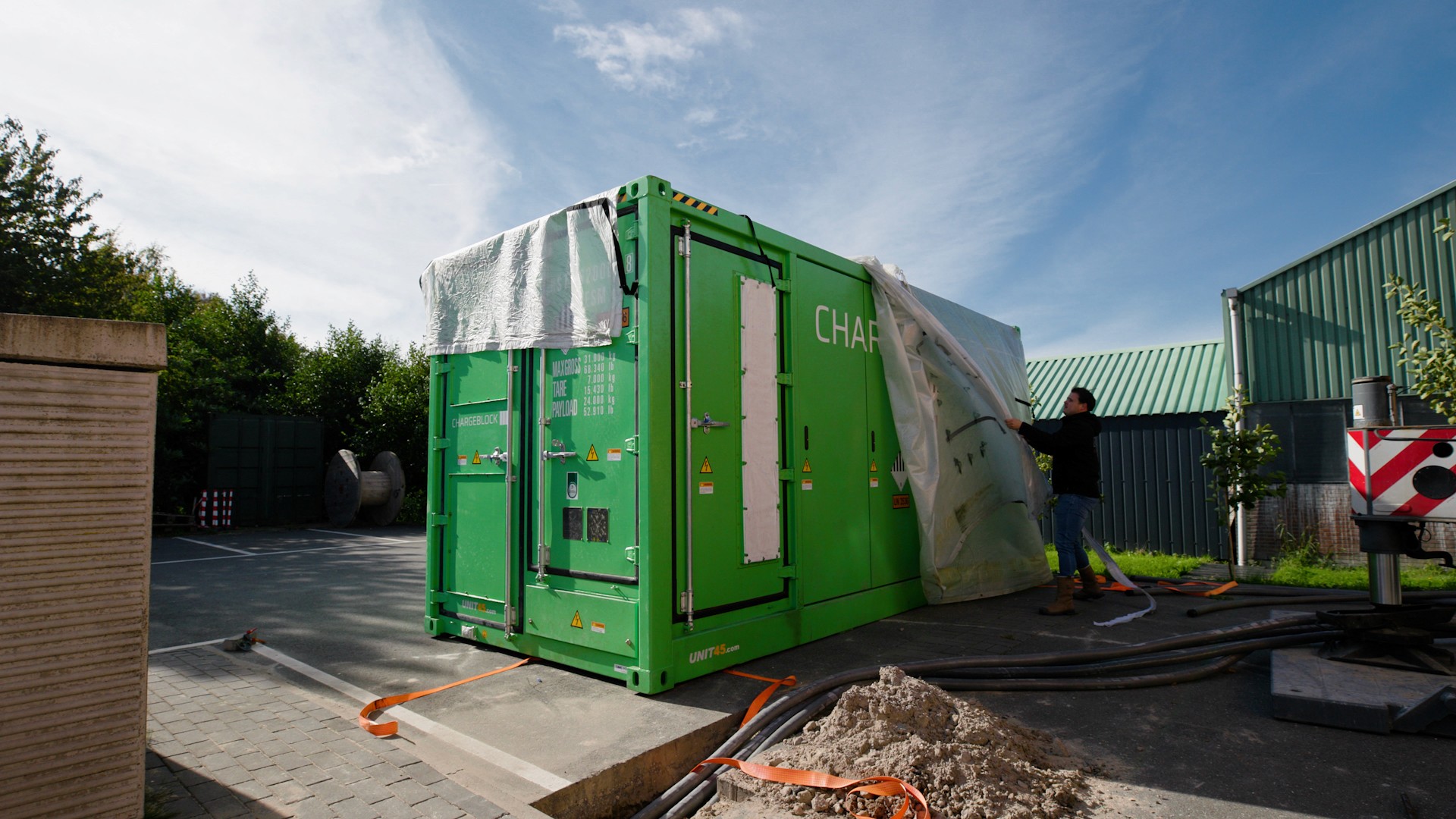
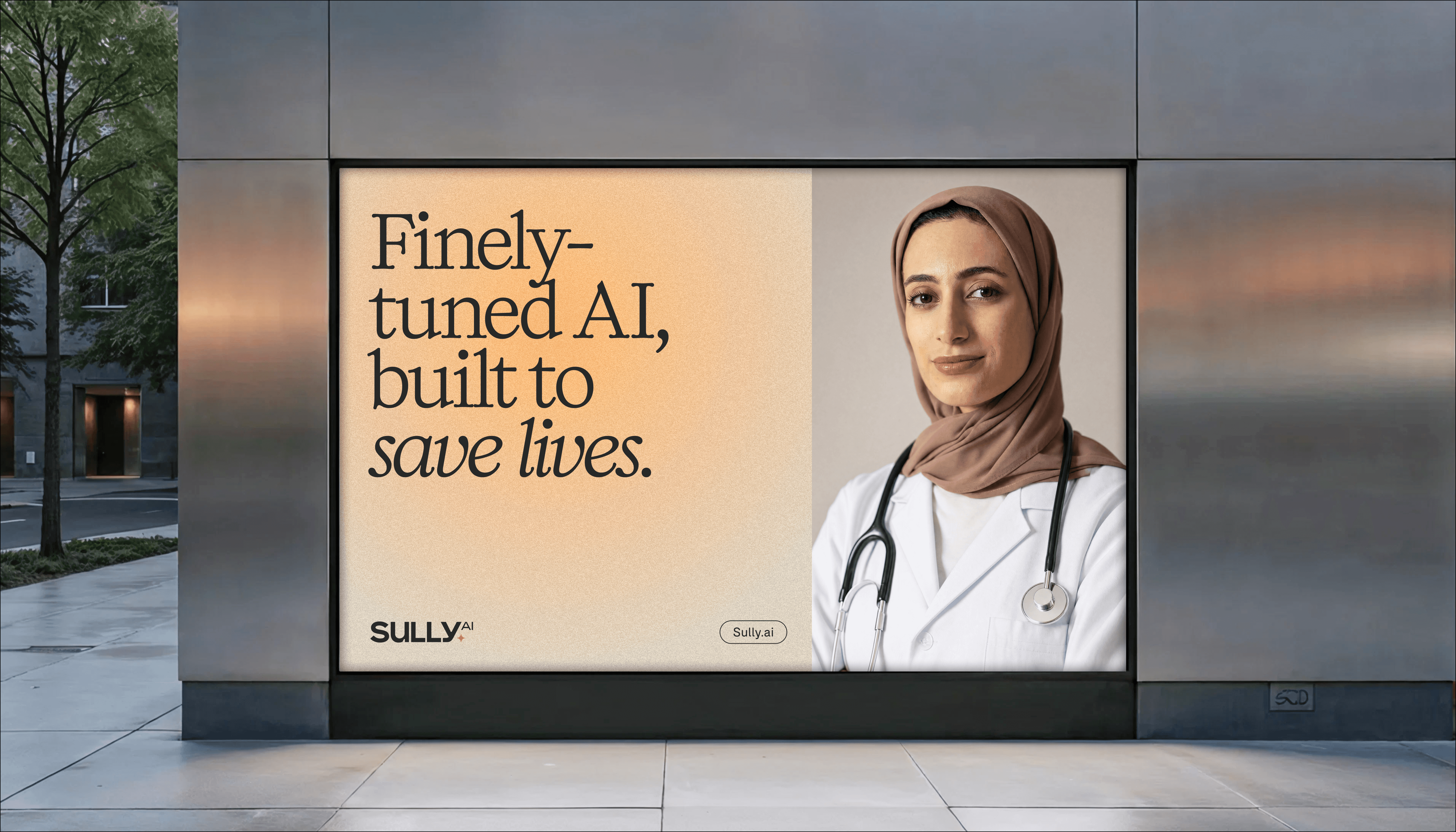
Product design for AI companies in healthcare, audit and energy, where being wrong has consequences
Interfaces for systems that make judgements, and for the people who have to act on them.

Product design for AI companies in healthcare, audit and energy, where being wrong has consequences
Interfaces for systems that make judgements, and for the people who have to act on them.
Product design for AI companies in healthcare, audit and energy, where being wrong has consequences
Interfaces for systems that make judgements, and for the people who have to act on them.
From understanding the problem to a design that survives the build, across four clear steps
Five to six weeks for a first product surface, grouped into four steps. Every step ends with something you can react to rather than a status update.
01. Understanding
The first week is spent making sure the right thing gets designed.
Who uses this, what they're trying to achieve, what they do today instead, and where the current version loses them. If a product already exists, that means a UX audit and a walk through the real flows rather than the demo. If it doesn't, it means interrogating the assumptions while they're still cheap to change. The output is a written point of view you can disagree with, which is more useful than a moodboard.
02. Structure and flows
The product gets decided here, before anything gets styled.
Screen by screen, what a person sees and what they can do. Where the product asks for trust and what it gives back. Which decisions belong to the system and which stay with the person. This is where most product problems get solved, and it's also where they get created if the step gets skipped in a rush to show something that looks good.
03. Interface
Visual design as a system, so screen forty still looks like screen one.
Type, colour, spacing, components and motion set as a system rather than page by page. High-fidelity screens for the flows that matter, responsive behaviour handled as part of the design instead of a later translation. Brand work runs alongside if the product needs one. You review real screens at real sizes rather than a presentation.
04. States, systems and handover
The states nobody designs are the ones that decide whether the product feels finished.
The loading state, the empty one, the error, the half-loaded page, the permission somebody doesn't have, the first run with no data in it, and the list that's four items long in the demo and four hundred in production. Most design files stop at the happy path and the engineer invents the rest under deadline, which is why shipped products so rarely look like the file they came from. For an AI product the list runs longer. What the screen does while the model is thinking, how somebody corrects a wrong answer without starting over, what low confidence looks like on screen. Then the one almost nobody designs for: what a person sees when the model returns something plausible and incorrect. That's the failure mode that costs you trust permanently.
From understanding the problem to a design that survives the build, across four clear steps
Five to six weeks for a first product surface, grouped into four steps. Every step ends with something you can react to rather than a status update.
01. Understanding
The first week is spent making sure the right thing gets designed.
Who uses this, what they're trying to achieve, what they do today instead, and where the current version loses them. If a product already exists, that means a UX audit and a walk through the real flows rather than the demo. If it doesn't, it means interrogating the assumptions while they're still cheap to change. The output is a written point of view you can disagree with, which is more useful than a moodboard.
02. Structure and flows
The product gets decided here, before anything gets styled.
Screen by screen, what a person sees and what they can do. Where the product asks for trust and what it gives back. Which decisions belong to the system and which stay with the person. This is where most product problems get solved, and it's also where they get created if the step gets skipped in a rush to show something that looks good.
03. Interface
Visual design as a system, so screen forty still looks like screen one.
Type, colour, spacing, components and motion set as a system rather than page by page. High-fidelity screens for the flows that matter, responsive behaviour handled as part of the design instead of a later translation. Brand work runs alongside if the product needs one. You review real screens at real sizes rather than a presentation.
04. States, systems and handover
The states nobody designs are the ones that decide whether the product feels finished.
The loading state, the empty one, the error, the half-loaded page, the permission somebody doesn't have, the first run with no data in it, and the list that's four items long in the demo and four hundred in production. Most design files stop at the happy path and the engineer invents the rest under deadline, which is why shipped products so rarely look like the file they came from. For an AI product the list runs longer. What the screen does while the model is thinking, how somebody corrects a wrong answer without starting over, what low confidence looks like on screen. Then the one almost nobody designs for: what a person sees when the model returns something plausible and incorrect. That's the failure mode that costs you trust permanently.
From understanding the problem to a design that survives the build, across four clear steps
Five to six weeks for a first product surface, grouped into four steps. Every step ends with something you can react to rather than a status update.
01. Understanding
The first week is spent making sure the right thing gets designed.
Who uses this, what they're trying to achieve, what they do today instead, and where the current version loses them. If a product already exists, that means a UX audit and a walk through the real flows rather than the demo. If it doesn't, it means interrogating the assumptions while they're still cheap to change. The output is a written point of view you can disagree with, which is more useful than a moodboard.
02. Structure and flows
The product gets decided here, before anything gets styled.
Screen by screen, what a person sees and what they can do. Where the product asks for trust and what it gives back. Which decisions belong to the system and which stay with the person. This is where most product problems get solved, and it's also where they get created if the step gets skipped in a rush to show something that looks good.
03. Interface
Visual design as a system, so screen forty still looks like screen one.
Type, colour, spacing, components and motion set as a system rather than page by page. High-fidelity screens for the flows that matter, responsive behaviour handled as part of the design instead of a later translation. Brand work runs alongside if the product needs one. You review real screens at real sizes rather than a presentation.
04. States, systems and handover
The states nobody designs are the ones that decide whether the product feels finished.
The loading state, the empty one, the error, the half-loaded page, the permission somebody doesn't have, the first run with no data in it, and the list that's four items long in the demo and four hundred in production. Most design files stop at the happy path and the engineer invents the rest under deadline, which is why shipped products so rarely look like the file they came from. For an AI product the list runs longer. What the screen does while the model is thinking, how somebody corrects a wrong answer without starting over, what low confidence looks like on screen. Then the one almost nobody designs for: what a person sees when the model returns something plausible and incorrect. That's the failure mode that costs you trust permanently.
Award-winning experiences that drive long-term impact for startups and enterprises
From early ideas to mature products, the focus stays on clarity, scalability, and long-term impact. Not just how things look, but how they perform over time.
€20m
Client revenue and funding supported through results-driven design and development.
56+
Teams partnered with to design and build digital products that deliver impact.
Check more awards and recognitions
Award-winning experiences that drive long-term impact for startups and enterprises
From early ideas to mature products, the focus stays on clarity, scalability, and long-term impact. Not just how things look, but how they perform over time.
€20m
Client revenue and funding supported through results-driven design and development.
56+
Teams partnered with to design and build digital products that deliver impact.
Check more awards and recognitions
Award-winning experiences that drive long-term impact for startups and enterprises
From early ideas to mature products, the focus stays on clarity, scalability, and long-term impact. Not just how things look, but how they perform over time.
€20m
Client revenue and funding supported through results-driven design and development.
56+
Teams partnered with to design and build digital products that deliver impact.
70% of clients stay for years
Once the product is live it doesn't sit still. It keeps getting sharper.
Oskar is a highly competent designer who excels at combining business goals with user-friendly design. His curiosity and design expertise make him a reliable professional capable of elevating a design to the next level.

Desses has helped us for years with Branding & Online Marketing. Happy with his dedication and work he has delivered for Game Hero.


A really great collaboration, grateful for all your hard work!


Oskar is a highly competent designer who excels at combining business goals with user-friendly design. His curiosity and design expertise make him a reliable professional capable of elevating a design to the next level.
Desses has helped us for years with Branding & Online Marketing. Happy with his dedication and work he has delivered for Game Hero.
A really great collaboration, grateful for all your hard work!
70% of clients stay for years
Once the product is live it doesn't sit still. It keeps getting sharper.
Oskar is a highly competent designer who excels at combining business goals with user-friendly design. His curiosity and design expertise make him a reliable professional capable of elevating a design to the next level.
Desses has helped us for years with Branding & Online Marketing. Happy with his dedication and work he has delivered for Game Hero.
A really great collaboration, grateful for all your hard work!
Oskar is a highly competent designer who excels at combining business goals with user-friendly design. His curiosity and design expertise make him a reliable professional capable of elevating a design to the next level.
Desses has helped us for years with Branding & Online Marketing. Happy with his dedication and work he has delivered for Game Hero.
A really great collaboration, grateful for all your hard work!
70% of clients stay for years
Once the product is live it doesn't sit still. It keeps getting sharper.
Oskar is a highly competent designer who excels at combining business goals with user-friendly design. His curiosity and design expertise make him a reliable professional capable of elevating a design to the next level.
Desses has helped us for years with Branding & Online Marketing. Happy with his dedication and work he has delivered for Game Hero.
A really great collaboration, grateful for all your hard work!
Oskar is a highly competent designer who excels at combining business goals with user-friendly design. His curiosity and design expertise make him a reliable professional capable of elevating a design to the next level.
Desses has helped us for years with Branding & Online Marketing. Happy with his dedication and work he has delivered for Game Hero.
A really great collaboration, grateful for all your hard work!
UX design for AI products
Interfaces for systems that are usually right, where the design has to account for uncertainty rather than assume correctness.
MVP and 0-to-1 product design
First version, first flows, first impression. Enough product to learn from, without building things you'll throw away.
User flows and wireframes
The structure under the interface. Clear paths, no dead ends, every screen with a job.
UX audits and usability reviews
For products that already exist. Where people drop out, what confuses them, and what's fixable this month versus this year.
Design systems in Figma
Components, variants, variables and documentation. Built so developers can use it, not so it looks good in a portfolio.
AI prototypes and concept testing
A working prototype to put in front of real users before the expensive decisions get made.
Everything in a product engagement that isn't the screens
A prototype proves the idea. A product needs clearer flows, safer logic, better states, and fewer surprises when real users touch it. Six things go into every build.
UX design for AI products
Interfaces for systems that are usually right, where the design has to account for uncertainty rather than assume correctness.
MVP and 0-to-1 product design
First version, first flows, first impression. Enough product to learn from, without building things you'll throw away.
User flows and wireframes
The structure under the interface. Clear paths, no dead ends, every screen with a job.
UX audits and usability reviews
For products that already exist. Where people drop out, what confuses them, and what's fixable this month versus this year.
Design systems in Figma
Components, variants, variables and documentation. Built so developers can use it, not so it looks good in a portfolio.
AI prototypes and concept testing
A working prototype to put in front of real users before the expensive decisions get made.
Everything in a product engagement that isn't the screens
A prototype proves the idea. A product needs clearer flows, safer logic, better states, and fewer surprises when real users touch it. Six things go into every build.
UX design for AI products
Interfaces for systems that are usually right, where the design has to account for uncertainty rather than assume correctness.
MVP and 0-to-1 product design
First version, first flows, first impression. Enough product to learn from, without building things you'll throw away.
User flows and wireframes
The structure under the interface. Clear paths, no dead ends, every screen with a job.
UX audits and usability reviews
For products that already exist. Where people drop out, what confuses them, and what's fixable this month versus this year.
Design systems in Figma
Components, variants, variables and documentation. Built so developers can use it, not so it looks good in a portfolio.
AI prototypes and concept testing
A working prototype to put in front of real users before the expensive decisions get made.
Everything in a product engagement that isn't the screens
A prototype proves the idea. A product needs clearer flows, safer logic, better states, and fewer surprises when real users touch it. Six things go into every build.
AI products in sectors where a wrong answer has a consequence
Most website quality dies in the gap between the designer and the developer. At Desses there's no gap, because it's the same person on both sides. You work directly with me from the first call to the handover.

AI products in serious sectors
Healthcare, audit, energy. Places where a wrong answer has a consequence and the interface has to account for it.

Award-winning UX, judged on the work
DCT Award UX Design winner 2026. Awards are decoration until they're for the exact discipline a page is selling, which this one is.

Design and engineering decided together
Flows, components, states and implementation get considered together because they arrive together.
AI products in sectors where a wrong answer has a consequence
Most website quality dies in the gap between the designer and the developer. At Desses there's no gap, because it's the same person on both sides. You work directly with me from the first call to the handover.
AI products in serious sectors
Healthcare, audit, energy. Places where a wrong answer has a consequence and the interface has to account for it.
Award-winning UX, judged on the work
DCT Award UX Design winner 2026. Awards are decoration until they're for the exact discipline a page is selling, which this one is.
Design and engineering decided together
Flows, components, states and implementation get considered together because they arrive together.
AI products in sectors where a wrong answer has a consequence
Most website quality dies in the gap between the designer and the developer. At Desses there's no gap, because it's the same person on both sides. You work directly with me from the first call to the handover.
AI products in serious sectors
Healthcare, audit, energy. Places where a wrong answer has a consequence and the interface has to account for it.
Award-winning UX, judged on the work
DCT Award UX Design winner 2026. Awards are decoration until they're for the exact discipline a page is selling, which this one is.
Design and engineering decided together
Flows, components, states and implementation get considered together because they arrive together.
Full-stack expertise, seamlessly integrating design and development to create cohesive, high-quality digital experiences from concept to execution
For AI startups and enterprises building with AI
Full-stack expertise, seamlessly integrating design and development to create cohesive, high-quality digital experiences from concept to execution
For AI startups and enterprises building with AI
Full-stack expertise, seamlessly integrating design and development to create cohesive, high-quality digital experiences from concept to execution
For AI startups and enterprises building with AI
Design, development, and AI, run by Desses, in one flow
Startups and enterprises in AI, Fintech, and Cleantech come to Desses for the whole stack in one place. Product Design, Website Design & Framer Development when speed matters, and the AI & Custom Development for when a project needs more. Built to convert, and built to still load fast in month seven.
Design, development, and AI, run by Desses, in one flow
Startups and enterprises in AI, Fintech, and Cleantech come to Desses for the whole stack in one place. Product Design, Website Design & Framer Development when speed matters, and the AI & Custom Development for when a project needs more. Built to convert, and built to still load fast in month seven.
Design, development, and AI, run by Desses, in one flow
Startups and enterprises in AI, Fintech, and Cleantech come to Desses for the whole stack in one place. Product Design, Website Design & Framer Development when speed matters, and the AI & Custom Development for when a project needs more. Built to convert, and built to still load fast in month seven.
Tell us what you're building. Framer development, product design or AI platforms.
Tell us what you're building. Framer development, product design or AI platforms.
Tell us what you're building. Framer development, product design or AI platforms.
Cost, timelines, research, systems, and working alongside your own engineers
What does product design cost?
Project work starts at $8,000 / €7,000. Where it lands depends on how many flows there are, whether a product already exists, and whether brand work is included. You get a fixed price after the first call.
How long does product design take?
Five to six weeks for a first product surface with research, flows, interface, states and a system. A focused UX audit takes about a week. Larger products get phased so something is usable early.
Do you work with our developers?
Yes, and it's a common setup. The handover is written for engineers, with components named the way developers name them and behaviour documented rather than implied.
Can you design without building it?
Yes. Design is a complete engagement here. Building is available if you want it, and plenty of clients don't.
What's different about designing an AI product?
The output isn't deterministic, so the design has to handle uncertainty rather than assume correctness. Thinking states, confidence, corrections, and the case where the answer is plausible and wrong. That last one is the failure mode most teams skip and the one that costs them trust.
Do you do user research?
Sized to the decision. Usually a handful of user conversations, a competitor teardown and a walk through what people do today. Enough to be right, without turning into a quarter-long study.
What is a design system, and do we need one?
A design system is the components, rules and documentation the product gets assembled from, rather than a folder of screens. You need one as soon as more than one person is designing or building, which for most startups is sooner than expected.
We already have a product. Can you fix it rather than restart?
Usually, yes. It starts with a UX audit, then a split into keep, improve and rebuild. Restarting is expensive and rarely necessary.
Do we own the Figma files?
Yes. Files, components and documentation, transferred at the end. No licence and no dependency on me.
Can you design the marketing site too?
Yes, though it’s a different job with different rules. That’s website design.

Oskar Mieta
Founder, Designer & Developer
If you want to start a project, explore a collaboration, or simply talk things through, this is the easiest place to begin.
Based in Rotterdam, The Netherlands.
Working Worldwide.
Cost, timelines, research, systems, and working alongside your own engineers
What does product design cost?
Project work starts at $8,000 / €7,000. Where it lands depends on how many flows there are, whether a product already exists, and whether brand work is included. You get a fixed price after the first call.
How long does product design take?
Five to six weeks for a first product surface with research, flows, interface, states and a system. A focused UX audit takes about a week. Larger products get phased so something is usable early.
Do you work with our developers?
Yes, and it's a common setup. The handover is written for engineers, with components named the way developers name them and behaviour documented rather than implied.
Can you design without building it?
Yes. Design is a complete engagement here. Building is available if you want it, and plenty of clients don't.
What's different about designing an AI product?
The output isn't deterministic, so the design has to handle uncertainty rather than assume correctness. Thinking states, confidence, corrections, and the case where the answer is plausible and wrong. That last one is the failure mode most teams skip and the one that costs them trust.
Do you do user research?
Sized to the decision. Usually a handful of user conversations, a competitor teardown and a walk through what people do today. Enough to be right, without turning into a quarter-long study.
What is a design system, and do we need one?
A design system is the components, rules and documentation the product gets assembled from, rather than a folder of screens. You need one as soon as more than one person is designing or building, which for most startups is sooner than expected.
We already have a product. Can you fix it rather than restart?
Usually, yes. It starts with a UX audit, then a split into keep, improve and rebuild. Restarting is expensive and rarely necessary.
Do we own the Figma files?
Yes. Files, components and documentation, transferred at the end. No licence and no dependency on me.
Can you design the marketing site too?
Yes, though it’s a different job with different rules. That’s website design.
Oskar Mieta
Founder, Designer & Developer
If you want to start a project, explore a collaboration, or simply talk things through, this is the easiest place to begin.
Based in Rotterdam, The Netherlands.
Working Worldwide.
Cost, timelines, research, systems, and working alongside your own engineers
What does product design cost?
How long does product design take?
Do you work with our developers?
Can you design without building it?
What's different about designing an AI product?
Do you do user research?
What is a design system, and do we need one?
We already have a product. Can you fix it rather than restart?
Do we own the Figma files?
Can you design the marketing site too?
Oskar Mieta
Founder, Designer & Developer
If you want to start a project, explore a collaboration, or simply talk things through, this is the easiest place to begin.
Based in Rotterdam, The Netherlands.
Working Worldwide.