Design, development, and AI, run by Desses, in one flow
Based in Rotterdam, The Netherlands.
Working Worldwide.












Design, development, and AI, run by Desses, in one flow
Based in Rotterdam, The Netherlands.
Working Worldwide.
Design, development, and AI, run by Desses, in one flow
Based in Rotterdam, The Netherlands.
Working Worldwide.
Design, development, and AI, run by Desses, in one flow
Based in Rotterdam, The Netherlands.
Working Worldwide.
Desses
Four services. Every project is some mix of Design and Development, and this is where you pick which.
2018 — 2026
Services
Weeks
Design and build usually arrive as one job. Everywhere else that means a handover, a briefing document and a fortnight of a developer interpreting a file.
Here the build starts on approved sections while the rest is still being drawn. Website design runs three to four weeks and the Framer build runs two to four, which is seven on paper. Together they come to four to six.
5 to 6 weeks
3 to 4 weeks
1 to 4 weeks
6 weeks
Desses
Four services. Every project is some mix of Design and Development, and this is where you pick which.
2018 — 2026
Services
Weeks
Design and build usually arrive as one job. Everywhere else that means a handover, a briefing document and a fortnight of a developer interpreting a file.
Here the build starts on approved sections while the rest is still being drawn. Website design runs three to four weeks and the Framer build runs two to four, which is seven on paper. Together they come to four to six.
5 to 6 weeks
3 to 4 weeks
1 to 4 weeks
6 weeks
Desses
Four services. Every project is some mix of Design and Development, and this is where you pick which.
2018 — 2026
Services
Weeks
Design and build usually arrive as one job. Everywhere else that means a handover, a briefing document and a fortnight of a developer interpreting a file.
Here the build starts on approved sections while the rest is still being drawn. Website design runs three to four weeks and the Framer build runs two to four, which is seven on paper. Together they come to four to six.
5 to 6 weeks
3 to 4 weeks
1 to 4 weeks
6 weeks
Product Design
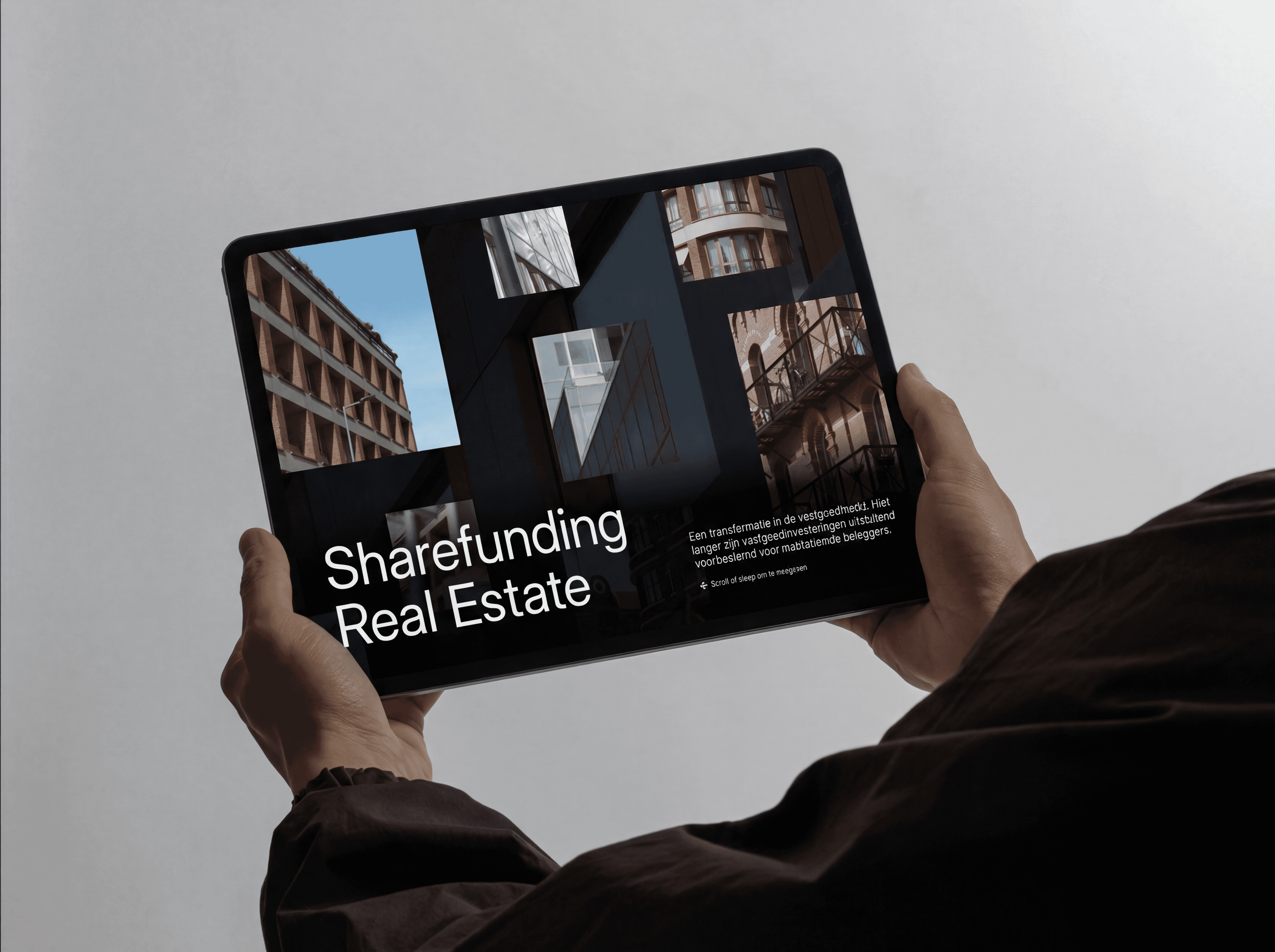
The structure behind the interface, for products where the answer isn't always right.
Product Design
The structure behind the interface, for products where the answer isn't always right.
Product Design
The structure behind the interface, for products where the answer isn't always right.
UX design for AI products
Most design tooling assumes the system returns the right answer. Yours doesn't, always. The screens have to show how confident the model is, handle the wrong result without losing the user's work, and give them a way back.
MVP and 0-to-1 product design
For the version that has to teach you something. Enough product to put in front of ten real users, without the six weeks of building you'd throw away the moment they tell you what they actually wanted.
User flows and wireframes
Usually the cheapest fix on the table. Most products that feel confusing have a routing problem rather than a visual one, and that costs a week here instead of a rebuild in March.
UX audits and usability reviews
For a product that already ships. You get where people drop out, why, and a list split into what's fixable this sprint and what needs a rebuild, so nobody has to guess which is which.
Design systems in Figma
Worth building once two people are designing, or one person is handing off weekly. Components, variants and variables, named the way they'll be named in code so your engineers stop translating.
AI prototypes and concept testing
Before the expensive decisions. A working prototype real users can click, which settles the arguments a static Figma file keeps alive for another three weeks.
Everything in a product engagement that isn't the screens
A prototype proves the idea. A product needs clearer flows, safer logic, better states, and fewer surprises when real users touch it. Six things go into every build.
UX design for AI products
Most design tooling assumes the system returns the right answer. Yours doesn't, always. The screens have to show how confident the model is, handle the wrong result without losing the user's work, and give them a way back.
MVP and 0-to-1 product design
For the version that has to teach you something. Enough product to put in front of ten real users, without the six weeks of building you'd throw away the moment they tell you what they actually wanted.
User flows and wireframes
Usually the cheapest fix on the table. Most products that feel confusing have a routing problem rather than a visual one, and that costs a week here instead of a rebuild in March.
UX audits and usability reviews
For a product that already ships. You get where people drop out, why, and a list split into what's fixable this sprint and what needs a rebuild, so nobody has to guess which is which.
Design systems in Figma
Worth building once two people are designing, or one person is handing off weekly. Components, variants and variables, named the way they'll be named in code so your engineers stop translating.
AI prototypes and concept testing
Before the expensive decisions. A working prototype real users can click, which settles the arguments a static Figma file keeps alive for another three weeks.
Everything in a product engagement that isn't the screens
A prototype proves the idea. A product needs clearer flows, safer logic, better states, and fewer surprises when real users touch it. Six things go into every build.
UX design for AI products
Most design tooling assumes the system returns the right answer. Yours doesn't, always. The screens have to show how confident the model is, handle the wrong result without losing the user's work, and give them a way back.
MVP and 0-to-1 product design
For the version that has to teach you something. Enough product to put in front of ten real users, without the six weeks of building you'd throw away the moment they tell you what they actually wanted.
User flows and wireframes
Usually the cheapest fix on the table. Most products that feel confusing have a routing problem rather than a visual one, and that costs a week here instead of a rebuild in March.
UX audits and usability reviews
For a product that already ships. You get where people drop out, why, and a list split into what's fixable this sprint and what needs a rebuild, so nobody has to guess which is which.
Design systems in Figma
Worth building once two people are designing, or one person is handing off weekly. Components, variants and variables, named the way they'll be named in code so your engineers stop translating.
AI prototypes and concept testing
Before the expensive decisions. A working prototype real users can click, which settles the arguments a static Figma file keeps alive for another three weeks.
Everything in a product engagement that isn't the screens
A prototype proves the idea. A product needs clearer flows, safer logic, better states, and fewer surprises when real users touch it. Six things go into every build.
Website Design
A redesign that only changes how the site looks changes nothing.

Website Design
A redesign that only changes how the site looks changes nothing.
Website Design
A redesign that only changes how the site looks changes nothing.
Sitemap and architecture
Where a redesign quietly works or quietly fails. Who's arriving, what each page is for, and which of your current pages exist because somebody asked for them in 2023 and nobody removed them.
B2B and SaaS websites
For companies selling to four audiences at once. One structure that still holds when a fifth product line arrives, instead of a nav that grows another dropdown every quarter.
Landing pages
One audience, one action, usually for a campaign or a launch. Built as components, so the second one takes a day rather than a fortnight and it still looks like the rest of the site.
Redesign and rebuilds
For a site that stopped doing its job. The pages that convert stay, and everything else gets argued about with the analytics open rather than with taste.
Mobile-first responsive
Designed at 390 before 1440. Most B2B sites get drawn on a desktop and squeezed down afterwards, which is how a hero that works in the pitch deck becomes four lines of text and a buried button on a phone.
Conversion design
Hierarchy, proof, and the CTA where the decision happens rather than where the layout had room left. It gets designed after everything else and it changes the numbers more than anything else does.
The sitemap decides more than the layout does
Who's arriving, what they need to believe, and what each page is for. Everything after that gets easier, including the part where search engines and the AI tools your buyers ask first can read it. Six things go into every build.
Sitemap and architecture
Where a redesign quietly works or quietly fails. Who's arriving, what each page is for, and which of your current pages exist because somebody asked for them in 2023 and nobody removed them.
B2B and SaaS websites
For companies selling to four audiences at once. One structure that still holds when a fifth product line arrives, instead of a nav that grows another dropdown every quarter.
Landing pages
One audience, one action, usually for a campaign or a launch. Built as components, so the second one takes a day rather than a fortnight and it still looks like the rest of the site.
Redesign and rebuilds
For a site that stopped doing its job. The pages that convert stay, and everything else gets argued about with the analytics open rather than with taste.
Mobile-first responsive
Designed at 390 before 1440. Most B2B sites get drawn on a desktop and squeezed down afterwards, which is how a hero that works in the pitch deck becomes four lines of text and a buried button on a phone.
Conversion design
Hierarchy, proof, and the CTA where the decision happens rather than where the layout had room left. It gets designed after everything else and it changes the numbers more than anything else does.
The sitemap decides more than the layout does
Who's arriving, what they need to believe, and what each page is for. Everything after that gets easier, including the part where search engines and the AI tools your buyers ask first can read it. Six things go into every build.
Sitemap and architecture
Where a redesign quietly works or quietly fails. Who's arriving, what each page is for, and which of your current pages exist because somebody asked for them in 2023 and nobody removed them.
B2B and SaaS websites
For companies selling to four audiences at once. One structure that still holds when a fifth product line arrives, instead of a nav that grows another dropdown every quarter.
Landing pages
One audience, one action, usually for a campaign or a launch. Built as components, so the second one takes a day rather than a fortnight and it still looks like the rest of the site.
Redesign and rebuilds
For a site that stopped doing its job. The pages that convert stay, and everything else gets argued about with the analytics open rather than with taste.
Mobile-first responsive
Designed at 390 before 1440. Most B2B sites get drawn on a desktop and squeezed down afterwards, which is how a hero that works in the pitch deck becomes four lines of text and a buried button on a phone.
Conversion design
Hierarchy, proof, and the CTA where the decision happens rather than where the layout had room left. It gets designed after everything else and it changes the numbers more than anything else does.
The sitemap decides more than the layout does
Who's arriving, what they need to believe, and what each page is for. Everything after that gets easier, including the part where search engines and the AI tools your buyers ask first can read it. Six things go into every build.
Framer Development
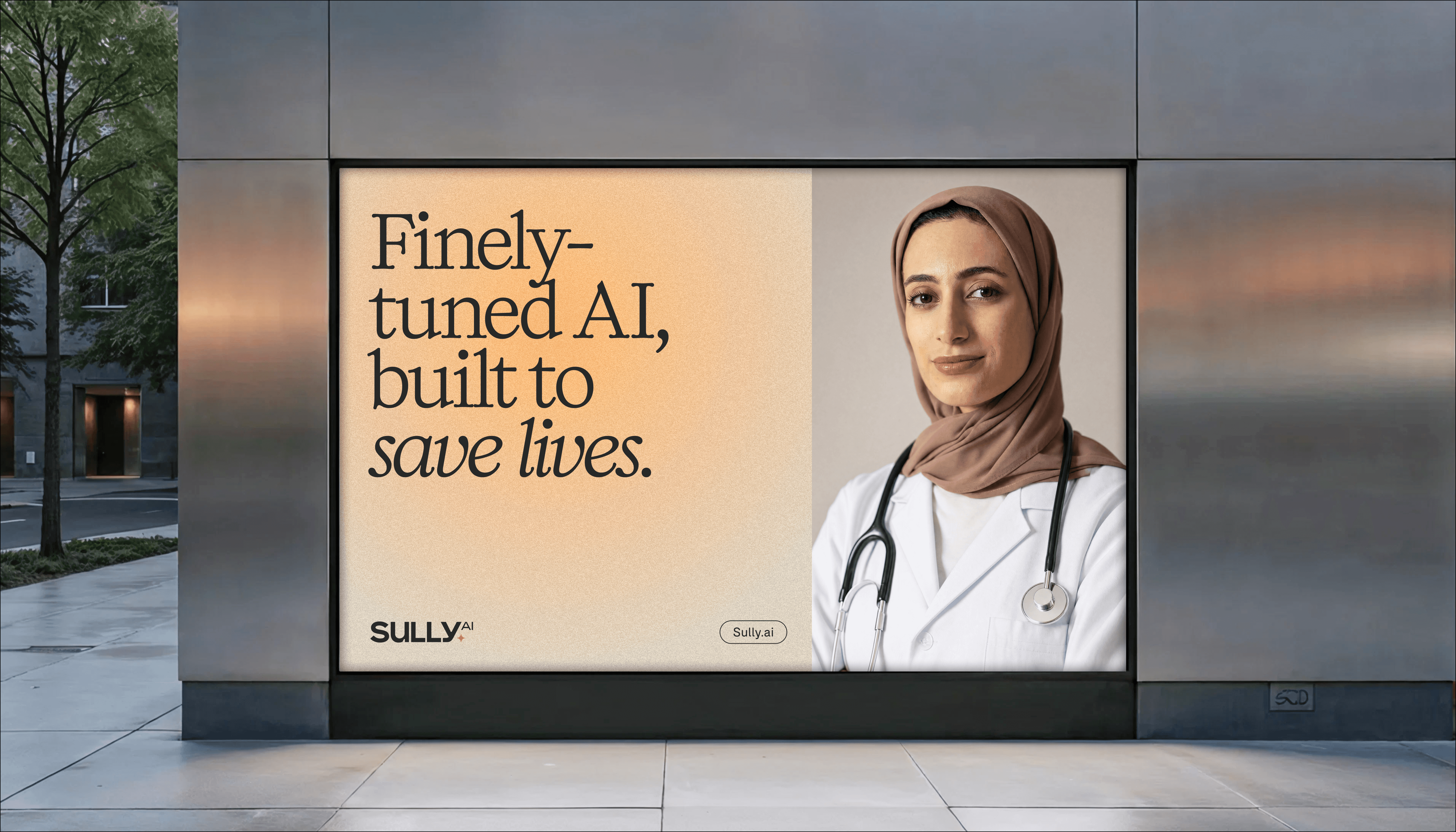
Production Framer sites, built by a Framer Partner who works on Framer itself.
Framer Development
Production Framer sites, built by a Framer Partner who works on Framer itself.
Framer Development
Production Framer sites, built by a Framer Partner who works on Framer itself.
Framer development
Production sites in two to four weeks, built as components rather than pages. Page five then costs a fraction of page one, which is the whole reason the timeline holds when scope moves.
Framer CMS and components
The part that decides whether you need us again. Pages, posts and cases your marketing team edits without opening a design file, with a walkthrough at handover and written notes after it.
Framer migration
Webflow or WordPress to Framer, with the redirect map done properly. Most migrations lose rankings at exactly that step, and it's the cheapest part of the job to get right and the most expensive to fix later.
Framer AI and CLI
Framer's own agent tooling, connected to your project. Bulk edits, CMS syncs and structural changes that would otherwise be a week of clicking, done in an afternoon and reviewed before anything publishes.
Framer SEO and AEO
The crawler test runs before launch, not after. If GPTBot fetches your page and gets an empty shell back, nothing else on the page matters, and almost nobody checks.
Enterprise Framer
Large sites, multiple locales, staging and well-known files on a plan that supports them. Framer handles more than most people assume. There is a ceiling, and you'll hear where it is on the first call.
The half of a Framer build nobody quotes for
The site is the easy part. The CMS your team has to run, the search and speed work before launch, and a handover that means you don't need us again. Six things go into every build.
Framer development
Production sites in two to four weeks, built as components rather than pages. Page five then costs a fraction of page one, which is the whole reason the timeline holds when scope moves.
Framer CMS and components
The part that decides whether you need us again. Pages, posts and cases your marketing team edits without opening a design file, with a walkthrough at handover and written notes after it.
Framer migration
Webflow or WordPress to Framer, with the redirect map done properly. Most migrations lose rankings at exactly that step, and it's the cheapest part of the job to get right and the most expensive to fix later.
Framer AI and CLI
Framer's own agent tooling, connected to your project. Bulk edits, CMS syncs and structural changes that would otherwise be a week of clicking, done in an afternoon and reviewed before anything publishes.
Framer SEO and AEO
The crawler test runs before launch, not after. If GPTBot fetches your page and gets an empty shell back, nothing else on the page matters, and almost nobody checks.
Enterprise Framer
Large sites, multiple locales, staging and well-known files on a plan that supports them. Framer handles more than most people assume. There is a ceiling, and you'll hear where it is on the first call.
The half of a Framer build nobody quotes for
The site is the easy part. The CMS your team has to run, the search and speed work before launch, and a handover that means you don't need us again. Six things go into every build.
Framer development
Production sites in two to four weeks, built as components rather than pages. Page five then costs a fraction of page one, which is the whole reason the timeline holds when scope moves.
Framer CMS and components
The part that decides whether you need us again. Pages, posts and cases your marketing team edits without opening a design file, with a walkthrough at handover and written notes after it.
Framer migration
Webflow or WordPress to Framer, with the redirect map done properly. Most migrations lose rankings at exactly that step, and it's the cheapest part of the job to get right and the most expensive to fix later.
Framer AI and CLI
Framer's own agent tooling, connected to your project. Bulk edits, CMS syncs and structural changes that would otherwise be a week of clicking, done in an afternoon and reviewed before anything publishes.
Framer SEO and AEO
The crawler test runs before launch, not after. If GPTBot fetches your page and gets an empty shell back, nothing else on the page matters, and almost nobody checks.
Enterprise Framer
Large sites, multiple locales, staging and well-known files on a plan that supports them. Framer handles more than most people assume. There is a ceiling, and you'll hear where it is on the first call.
The half of a Framer build nobody quotes for
The site is the easy part. The CMS your team has to run, the search and speed work before launch, and a handover that means you don't need us again. Six things go into every build.
AI & Custom Development
Dashboards, portals, CRMs and product platforms, in Next.js and React.
AI & Custom Development
Dashboards, portals, CRMs and product platforms, in Next.js and React.
AI & Custom Development
Dashboards, portals, CRMs and product platforms, in Next.js and React.
Next.js development
For when no-code stops being enough. Usually that's the moment you need real authentication, per-role permissions, or a data model that stopped fitting in a spreadsheet about four months ago.
Dashboards and portals
Where a client logs in and sees their own data and nothing else. Roles, permissions, audit trails, and the empty and error states most internal tools never get around to designing.
Custom CRMs and automations
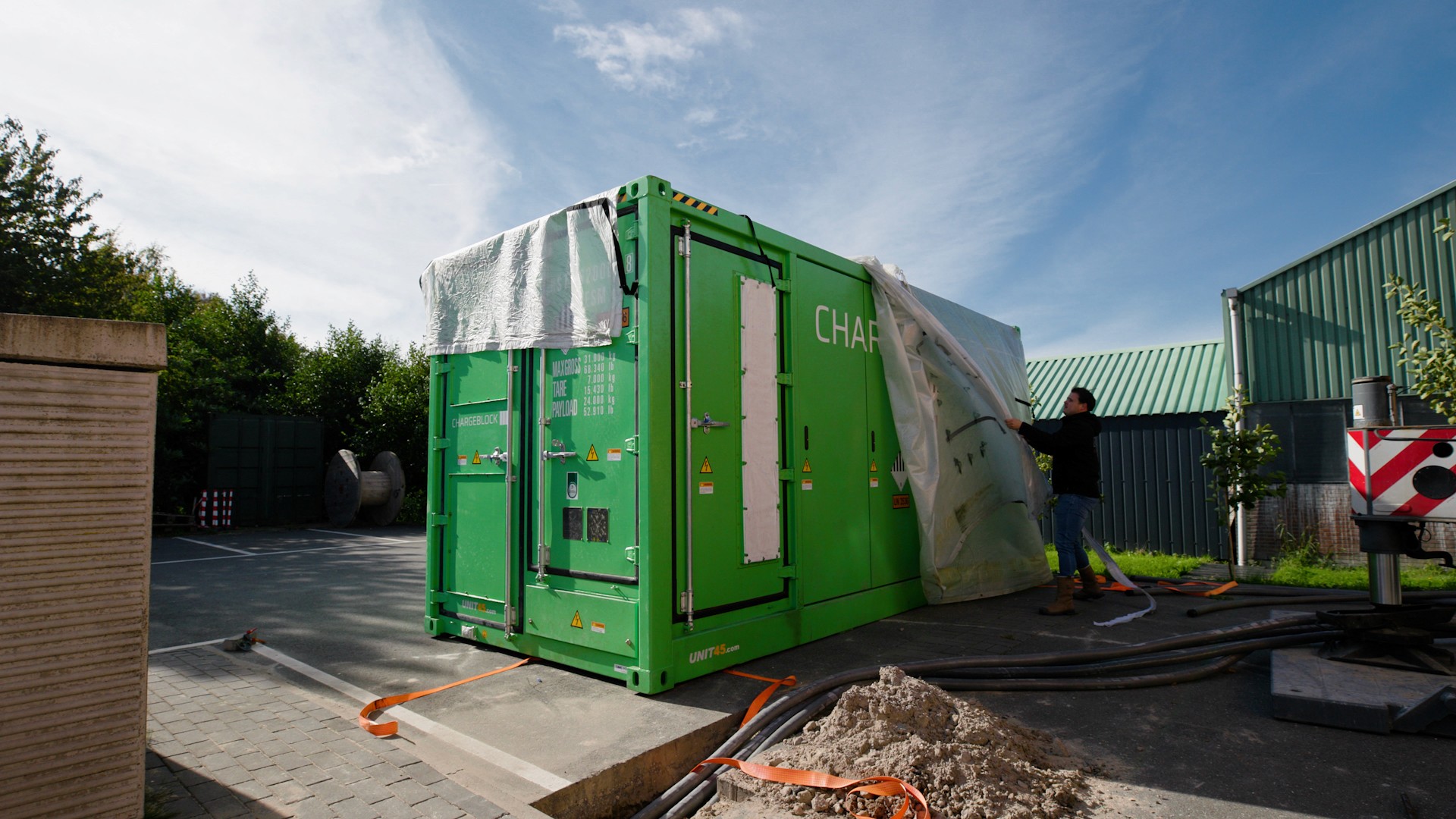
Quotes, contracts and invoices moving without anyone chasing them. ChargeBlock's runs 22 pages deep, with a quote wizard, a client portal, Kanban project management and predictive maintenance on top.
API and tool integrations
Outlook, Exact Online, Pipedrive, whatever the business already runs on. The AI layer sits on top of those rather than beside them, so nobody ends up copying numbers between two systems.
AI features in existing products
For a product that already ships and needs an AI layer rather than a rewrite. Retrieval over your own documents, drafting, classification, and the guardrails that stop it answering confidently when it shouldn't.
Product platforms
Multi-tenant, multi-role, built to be handed over. Your repository, your account, documented so a developer who has never met us can open it and ship a feature without asking a question.
Software you own, documented for someone who's never met us
Your account, your company's name on the repository, no licence tied to Desses. A developer who has never met us opens it and ships a feature without asking a question. Six things go into every build.
Next.js development
For when no-code stops being enough. Usually that's the moment you need real authentication, per-role permissions, or a data model that stopped fitting in a spreadsheet about four months ago.
Dashboards and portals
Where a client logs in and sees their own data and nothing else. Roles, permissions, audit trails, and the empty and error states most internal tools never get around to designing.
Custom CRMs and automations
Quotes, contracts and invoices moving without anyone chasing them. ChargeBlock's runs 22 pages deep, with a quote wizard, a client portal, Kanban project management and predictive maintenance on top.
API and tool integrations
Outlook, Exact Online, Pipedrive, whatever the business already runs on. The AI layer sits on top of those rather than beside them, so nobody ends up copying numbers between two systems.
AI features in existing products
For a product that already ships and needs an AI layer rather than a rewrite. Retrieval over your own documents, drafting, classification, and the guardrails that stop it answering confidently when it shouldn't.
Product platforms
Multi-tenant, multi-role, built to be handed over. Your repository, your account, documented so a developer who has never met us can open it and ship a feature without asking a question.
Software you own, documented for someone who's never met us
Your account, your company's name on the repository, no licence tied to Desses. A developer who has never met us opens it and ships a feature without asking a question. Six things go into every build.
Next.js development
For when no-code stops being enough. Usually that's the moment you need real authentication, per-role permissions, or a data model that stopped fitting in a spreadsheet about four months ago.
Dashboards and portals
Where a client logs in and sees their own data and nothing else. Roles, permissions, audit trails, and the empty and error states most internal tools never get around to designing.
Custom CRMs and automations
Quotes, contracts and invoices moving without anyone chasing them. ChargeBlock's runs 22 pages deep, with a quote wizard, a client portal, Kanban project management and predictive maintenance on top.
API and tool integrations
Outlook, Exact Online, Pipedrive, whatever the business already runs on. The AI layer sits on top of those rather than beside them, so nobody ends up copying numbers between two systems.
AI features in existing products
For a product that already ships and needs an AI layer rather than a rewrite. Retrieval over your own documents, drafting, classification, and the guardrails that stop it answering confidently when it shouldn't.
Product platforms
Multi-tenant, multi-role, built to be handed over. Your repository, your account, documented so a developer who has never met us can open it and ship a feature without asking a question.
Software you own, documented for someone who's never met us
Your account, your company's name on the repository, no licence tied to Desses. A developer who has never met us opens it and ships a feature without asking a question. Six things go into every build.
Flexible ways to work together, designed around your pace, your goals, and the way you grow
Every plan starts with a 30 minute call. We talk through the work, the timing, and what makes sense to spend. If the fit is right, we move. If it isn't, no problem.
Growth
$4,500
/month
€4.000
/month
Ideal for refining existing pages, improving conversion flows, and expanding your site with new components and features as your product matures.
What’s included
One active request at a time
Average 48 hour turnaround
Design updates every 48 hours
Unlimited revisions
Product & Website Design + Framer / AI Development
Seamless workflow via Slack & Notion
Immersive
$7,500
/month
€6.500
/month
Built for startups and enterprises entering their growth or expansion phase, when brand, product, and website all need to level up together at once.
What’s included
Unlimited requests at a time
Average 24 hour turnaround
Sync calls (1-2 per week)
Unlimited revisions
Product & Website Design + Framer / AI Development
Seamless workflow via Slack & Notion
Quick Launch
$8,000+
/project
€7.000+
/project
Fast, structured, and outcome-driven. A focused engagement with a dedicated workflow that ensures exceptional quality at the pace you need.
What’s included
End-to-end delivery
Scalable with your needs
Design updates every 48-72 hours
Transparent flat-rate pricing
Website Design & Framer / AI Development
Seamless workflow via Slack & Notion
Flexible ways to work together, designed around your pace, your goals, and the way you grow
Every plan starts with a 30 minute call. We talk through the work, the timing, and what makes sense to spend. If the fit is right, we move. If it isn’t, no problem.
Growth
$4,500
/month
€4.000
/month
Ideal for refining existing pages, improving conversion flows, and expanding your site with new components and features as your product matures.
What’s included
One active request at a time
Average 48 hour turnaround
Design updates every 48 hours
Unlimited revisions
Product & Website Design + Framer / AI Development
Seamless workflow via Slack & Notion
Immersive
$7,500
/month
€6.500
/month
Built for startups and enterprises entering their growth or expansion phase, when brand, product, and website all need to level up together at once.
What’s included
Unlimited requests at a time
Average 24 hour turnaround
Sync calls (1-2 per week)
Unlimited revisions
Product & Website Design + Framer / AI Development
Seamless workflow via Slack & Notion
Quick Launch
$8,000+
/project
€7.000+
/project
Fast, structured, and outcome-driven. A focused engagement with a dedicated workflow that ensures exceptional quality at the pace you need.
What’s included
End-to-end delivery
Scalable with your needs
Design updates every 48-72 hours
Transparent flat-rate pricing
Website Design & Framer / AI Development
Seamless workflow via Slack & Notion
Flexible ways to work together, designed around your pace, your goals, and the way you grow
Every plan starts with a 30 minute call. We talk through the work, the timing, and what makes sense to spend. If the fit is right, we move. If it isn’t, no problem.
Growth
$4,500
/month
€4.000
/month
Ideal for refining existing pages, improving conversion flows, and expanding your site with new components and features as your product matures.
What’s included
One active request at a time
Average 48 hour turnaround
Design updates every 48 hours
Unlimited revisions
Product & Website Design + Framer / AI Development
Seamless workflow via Slack & Notion
Immersive
$7,500
/month
€6.500
/month
Built for startups and enterprises entering their growth or expansion phase, when brand, product, and website all need to level up together at once.
What’s included
Unlimited requests at a time
Average 24 hour turnaround
Sync calls (1-2 per week)
Unlimited revisions
Product & Website Design + Framer / AI Development
Seamless workflow via Slack & Notion
Quick Launch
$8,000+
/project
€7.000+
/project
Fast, structured, and outcome-driven. A focused engagement with a dedicated workflow that ensures exceptional quality at the pace you need.
What’s included
End-to-end delivery
Scalable with your needs
Design updates every 48-72 hours
Transparent flat-rate pricing
Website Design & Framer / AI Development
Seamless workflow via Slack & Notion
Cost, timelines, research, systems, and working alongside your own engineers
What does product design cost?
Project work starts at $8,000 / €7,000. Where it lands depends on how many flows there are, whether a product already exists, and whether brand work is included. You get a fixed price after the first call.
How long does product design take?
Five to six weeks for a first product surface with research, flows, interface, states and a system. A focused UX audit takes about a week. Larger products get phased so something is usable early.
Do you work with our developers?
Yes, and it's a common setup. The handover is written for engineers, with components named the way developers name them and behaviour documented rather than implied.
Can you design without building it?
Yes. Design is a complete engagement here. Building is available if you want it, and plenty of clients don't.
What's different about designing an AI product?
The output isn't deterministic, so the design has to handle uncertainty rather than assume correctness. Thinking states, confidence, corrections, and the case where the answer is plausible and wrong. That last one is the failure mode most teams skip and the one that costs them trust.
Do you do user research?
Sized to the decision. Usually a handful of user conversations, a competitor teardown and a walk through what people do today. Enough to be right, without turning into a quarter-long study.
What is a design system, and do we need one?
A design system is the components, rules and documentation the product gets assembled from, rather than a folder of screens. You need one as soon as more than one person is designing or building, which for most startups is sooner than expected.
We already have a product. Can you fix it rather than restart?
Usually, yes. It starts with a UX audit, then a split into keep, improve and rebuild. Restarting is expensive and rarely necessary.
Do we own the Figma files?
Yes. Files, components and documentation, transferred at the end. No licence and no dependency on me.
Can you design the marketing site too?
Yes, though it’s a different job with different rules. That’s website design.

Oskar Mieta
Founder, Designer & Developer
If you want to start a project, explore a collaboration, or simply talk things through, this is the easiest place to begin.
Based in Rotterdam, The Netherlands.
Working Worldwide.
Cost, timelines, research, systems, and working alongside your own engineers
What does product design cost?
How long does product design take?
Do you work with our developers?
Can you design without building it?
What's different about designing an AI product?
Do you do user research?
What is a design system, and do we need one?
We already have a product. Can you fix it rather than restart?
Do we own the Figma files?
Can you design the marketing site too?
Oskar Mieta
Founder, Designer & Developer
If you want to start a project, explore a collaboration, or simply talk things through, this is the easiest place to begin.
Based in Rotterdam, The Netherlands.
Working Worldwide.
Cost, timelines, research, systems, and working alongside your own engineers
What does product design cost?
Project work starts at $8,000 / €7,000. Where it lands depends on how many flows there are, whether a product already exists, and whether brand work is included. You get a fixed price after the first call.
How long does product design take?
Five to six weeks for a first product surface with research, flows, interface, states and a system. A focused UX audit takes about a week. Larger products get phased so something is usable early.
Do you work with our developers?
Yes, and it's a common setup. The handover is written for engineers, with components named the way developers name them and behaviour documented rather than implied.
Can you design without building it?
Yes. Design is a complete engagement here. Building is available if you want it, and plenty of clients don't.
What's different about designing an AI product?
The output isn't deterministic, so the design has to handle uncertainty rather than assume correctness. Thinking states, confidence, corrections, and the case where the answer is plausible and wrong. That last one is the failure mode most teams skip and the one that costs them trust.
Do you do user research?
Sized to the decision. Usually a handful of user conversations, a competitor teardown and a walk through what people do today. Enough to be right, without turning into a quarter-long study.
What is a design system, and do we need one?
A design system is the components, rules and documentation the product gets assembled from, rather than a folder of screens. You need one as soon as more than one person is designing or building, which for most startups is sooner than expected.
We already have a product. Can you fix it rather than restart?
Usually, yes. It starts with a UX audit, then a split into keep, improve and rebuild. Restarting is expensive and rarely necessary.
Do we own the Figma files?
Yes. Files, components and documentation, transferred at the end. No licence and no dependency on me.
Can you design the marketing site too?
Yes, though it’s a different job with different rules. That’s website design.
Oskar Mieta
Founder, Designer & Developer
If you want to start a project, explore a collaboration, or simply talk things through, this is the easiest place to begin.
Based in Rotterdam, The Netherlands.
Working Worldwide.
Cost, timelines, research, systems, and working alongside your own engineers
What does product design cost?
Project work starts at $8,000 / €7,000. Where it lands depends on how many flows there are, whether a product already exists, and whether brand work is included. You get a fixed price after the first call.
How long does product design take?
Five to six weeks for a first product surface with research, flows, interface, states and a system. A focused UX audit takes about a week. Larger products get phased so something is usable early.
Do you work with our developers?
Yes, and it's a common setup. The handover is written for engineers, with components named the way developers name them and behaviour documented rather than implied.
Can you design without building it?
Yes. Design is a complete engagement here. Building is available if you want it, and plenty of clients don't.
What's different about designing an AI product?
The output isn't deterministic, so the design has to handle uncertainty rather than assume correctness. Thinking states, confidence, corrections, and the case where the answer is plausible and wrong. That last one is the failure mode most teams skip and the one that costs them trust.
Do you do user research?
Sized to the decision. Usually a handful of user conversations, a competitor teardown and a walk through what people do today. Enough to be right, without turning into a quarter-long study.
What is a design system, and do we need one?
A design system is the components, rules and documentation the product gets assembled from, rather than a folder of screens. You need one as soon as more than one person is designing or building, which for most startups is sooner than expected.
We already have a product. Can you fix it rather than restart?
Usually, yes. It starts with a UX audit, then a split into keep, improve and rebuild. Restarting is expensive and rarely necessary.
Do we own the Figma files?
Yes. Files, components and documentation, transferred at the end. No licence and no dependency on me.
Can you design the marketing site too?
Yes, though it’s a different job with different rules. That’s website design.
Oskar Mieta
Founder, Designer & Developer
If you want to start a project, explore a collaboration, or simply talk things through, this is the easiest place to begin.
Based in Rotterdam, The Netherlands.
Working Worldwide.